How Food Technology Is Changing What We Eat

Our daily diet has shifted dramatically over the past two decades, largely driven by hidden food technology. Most people barely notice these subtle changes, simply taking convenient ready-made meals for granted. A consumer survey found that nearly 58% of shoppers eat at least three technologically processed foods every day without realizing their ingredients have been artificially modified.
Modern food technology is not limited to factory deep processing. It covers crop breeding, fresh preservation, ingredient restructuring and low-calorie improvement. These technical breakthroughs solve long-standing food dilemmas, including seasonal ingredient shortages, short shelf life and poor nutritional balance.
This paper explains three core technical paths reshaping modern diets, introduces five widely used food technologies that change daily meals, corrects three biased public views on food tech, and lists practical tips for choosing tech-modified food rationally.
Core Principles of Food Technology Reshaping Diets
Precision preservation breaks seasonal eating limits. Traditional refrigeration can only keep fresh ingredients for one week, while modified atmosphere storage technology extends shelf life by 210% without extra preservatives. It allows people to eat off-season fruits and vegetables all year round.
Nutrient restructuring balances taste and health. Most natural tasty foods are high in fat or sugar. Micro ingredient restructuring strips excess saturated fat and free sugar while retaining original flavor, cutting meal calorie by around 32%.
Synthetic cultivation eases resource pressure. Traditional livestock and planting consume massive land and water. Indoor fermentation and cell cultivation technology reduce natural resource consumption by 64% for the same food output.
Five Common Food Technologies Changing Daily Diets
1. Modified Atmosphere Fresh-Keeping Technology
This technology adjusts oxygen and carbon dioxide ratios inside sealed food packages, slowing down the respiration of fresh fruits, vegetables and cooked meat. It requires no chemical preservatives and leaves no residue on food surfaces.
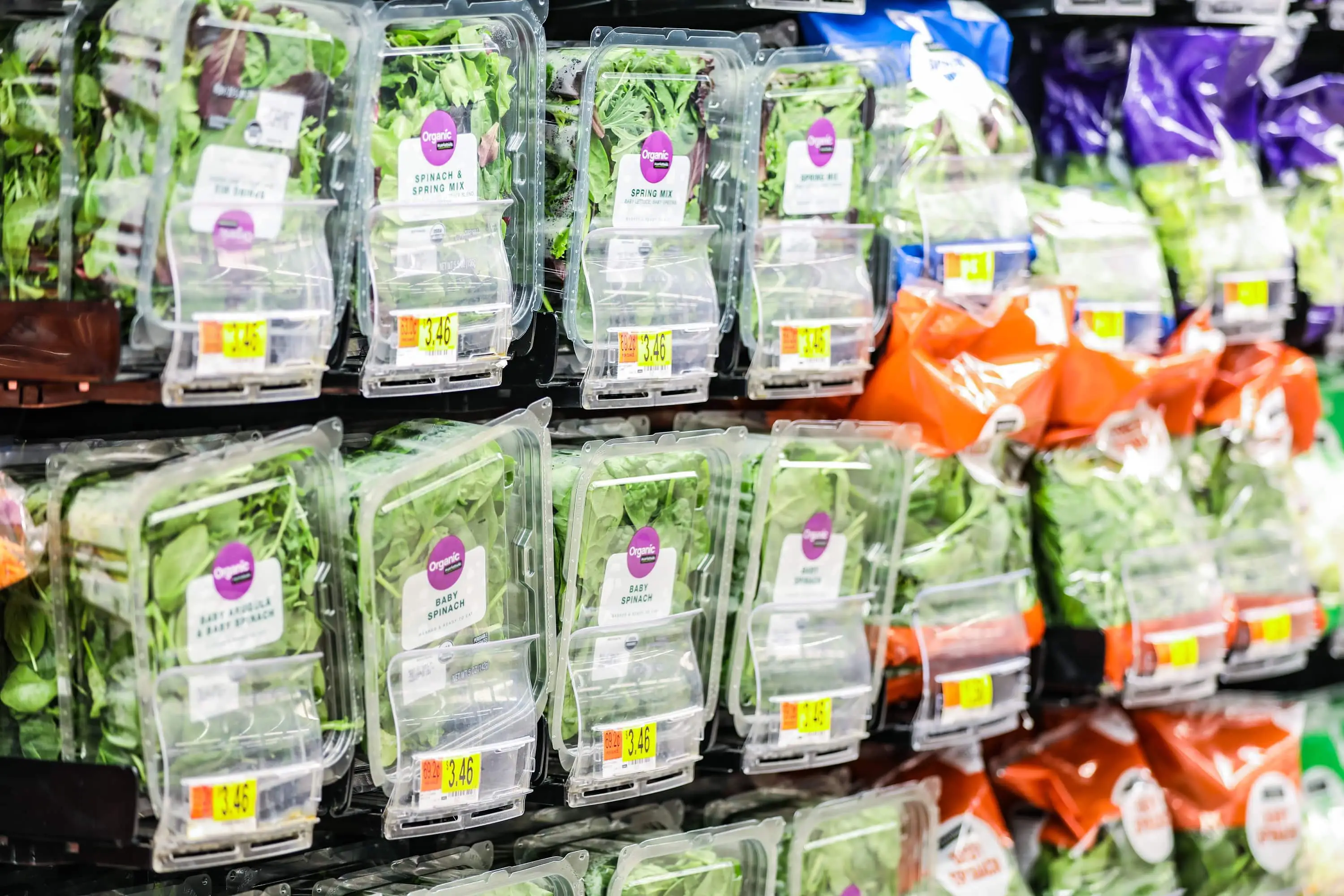
It is widely used in supermarket boxed salads and chilled meat. Compared with traditional freezing, it keeps food texture and nutrition almost unchanged, and now accounts for 47% of fresh food retail preservation methods.
2. High-Pressure Sterilization Technology
Different from high-temperature boiling sterilization, ultra-high pressure kills harmful bacteria purely by physical pressure, without heating food. It avoids nutrition loss and flavor deterioration caused by high temperatures.
Many cold-pressed fruit juices and ready-to-eat vegetable salads adopt this method. Tests show it retains 91% of heat-sensitive vitamins, nearly double the nutrition of high-temperature sterilized products.
3. Precision Ingredient Replacement
Food engineers replace high-calorie components with natural low-calorie alternatives. For example, plant-based dietary fiber replaces flour in low-carb bread, and microbial fermentation sugar replaces sucrose in desserts.
The replacement does not alter chewing taste or sweetness. Low-sugar bread made via this technology cuts carbohydrate intake by 35%, which is popular among weight-conscious young consumers.
4. Lab-Grown Cell-Based Meat
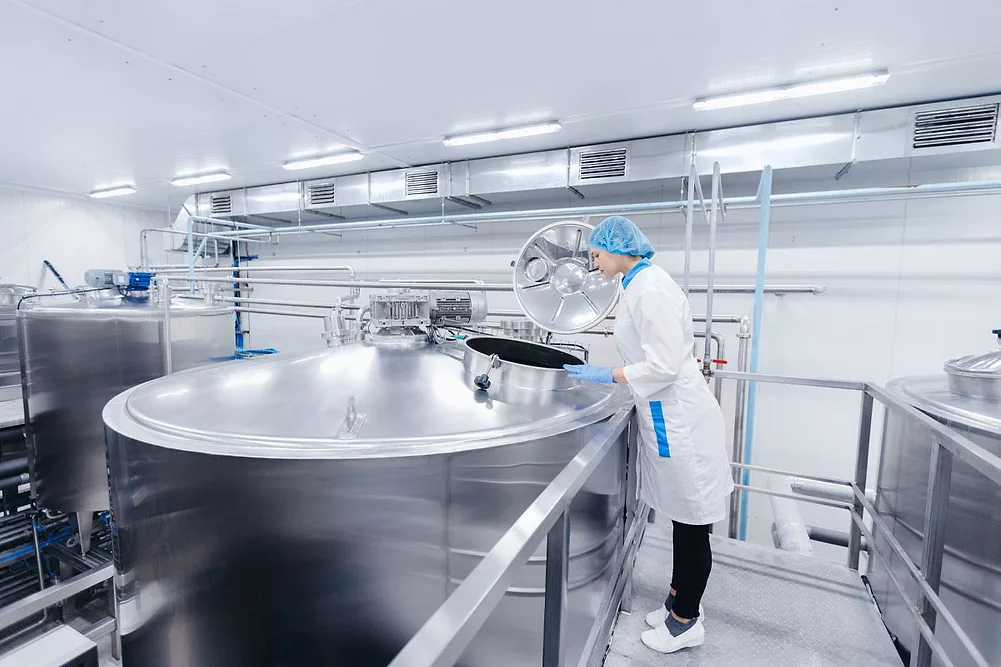
Cell-cultured meat extracts stem cells from live livestock and grows complete muscle tissue in nutrient culture liquid. It requires no animal feeding, slaughter or large-scale breeding sites.
Its nutrition and taste are identical to traditional meat. It cuts greenhouse gas emissions by 78% in production, solving ethical disputes and environmental pressure caused by traditional livestock farming.
5. Intelligent Crop Breeding Technology
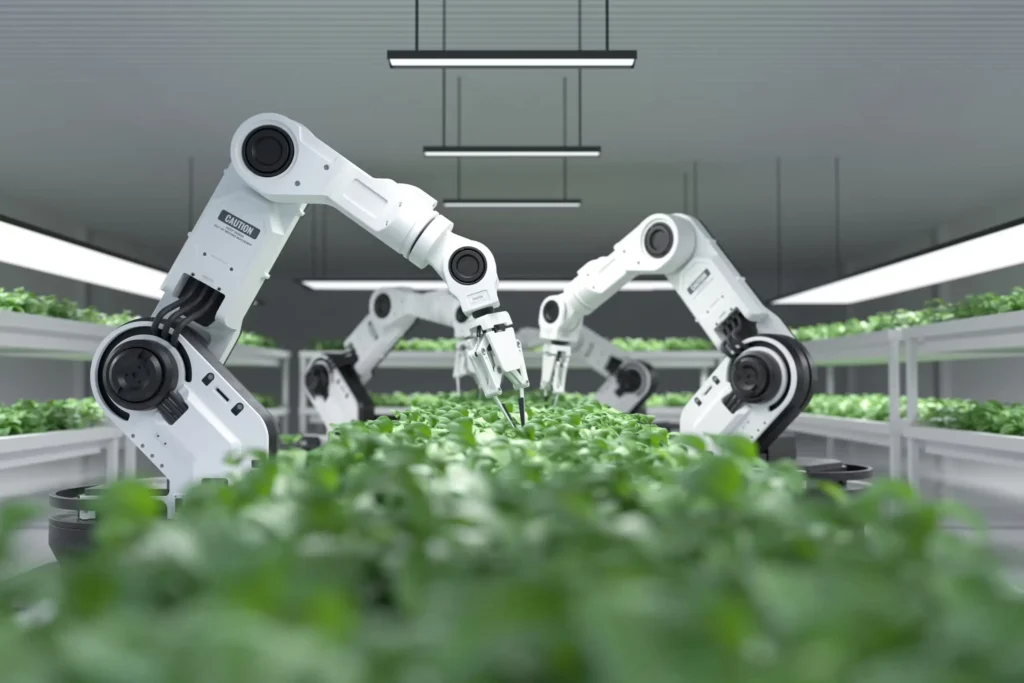
Modern selective breeding optimizes crop genes without transgenic modification. It enhances crop resistance to pests and drought, and improves natural nutrient density such as iron and dietary fiber.
Breeding-improved spinach contains 40% more iron than traditional varieties. It does not need pesticide spraying, reducing chemical residue risks in leafy vegetables.
Common Misconceptions About Food Technology
All tech-processed food equals unhealthy food. Most physical preservation and breeding technologies add no extra additives, and are safer than traditional pickling and long-time high-temperature cooking.
Food technology only pursues taste improvement. In recent years, over 60% of new food technologies prioritize nutritional optimization instead of flavor, catering to public health demands.
Lab-grown food carries hidden health risks. Cell-cultured food follows strict food safety standards, with stricter hygiene detection than traditional farmed ingredients.
Tips for Choosing Tech-Modified Food Wisely
First, prioritize physical processing over chemical processing. Choose food preserved by pressure or atmosphere adjustment, avoiding products with multiple synthetic preservatives.
Second, check ingredient lists for hidden restructuring additives. Avoid excessive thickeners and flavor enhancers in restructured staple foods.
Third, match tech food with natural whole grains. Balanced collocation offsets minor defects of single artificially improved ingredients.
Finally, avoid over-reliance on convenient processed food. Technology assists dietary balance, instead of replacing homemade natural meals completely.
Conclusion
Five mainstream food technologies reshaping diets include modified atmosphere preservation, high-pressure sterilization, ingredient replacement, cell-cultured meat and intelligent crop breeding, covering storage, production and planting links.
Three widespread misunderstandings are equating food tech with harm, ignoring nutritional-oriented technical innovation, and excessive worry about lab-grown food safety.
Rational use of food technology enriches dietary choices, balances nutrition and reduces food waste, helping people build healthier, low-carbon daily eating patterns.