The Science Behind Artificial Flavors in Modern Foods

Most people assume bright, rich flavors in snacks and drinks come purely from natural ingredients. In fact, over 75% of packaged daily foods rely on artificial flavor additives to shape taste. Few consumers can tell natural and artificial flavors apart by taste alone, and many hold unnecessary fears that all artificial flavors are toxic to human bodies.
Artificial flavors are not random chemical mixtures. They are lab-synthesized molecules that copy the exact aromatic compounds of natural foods. Natural flavors often degrade rapidly during food processing, while artificial alternatives remain stable under high temperature, freezing and long-term storage with low production costs.
This article explains three core scientific principles of artificial flavor synthesis, lists five widely used artificial flavors in mainstream processed foods, corrects three prevailing public misunderstandings, and shares simple tips to identify and consume artificial flavors safely.
Core Scientific Principles of Artificial Flavor Making
Molecular matching of natural aromatic substances. Every food’s unique taste comes from volatile aromatic molecules. Chemists extract and replicate these single molecules instead of copying all natural ingredients, which cuts production costs by nearly 82%.
Stability optimization for industrial food processing. Most natural aromatic molecules break down at temperatures above 60℃. Modified artificial flavor molecules resist high-temperature sterilization, retaining 94% of flavor after baking or pasteurization.
Low-dose sensory amplification. Human taste buds capture flavor molecules at extremely low concentrations. One gram of concentrated artificial vanilla flavor can produce the same taste effect as 400 grams of natural vanilla beans, thanks to amplified sensory stimulation.
Five Common Artificial Flavors in Daily Processed Foods
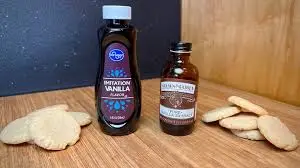
1. Artificial Vanilla Flavor
Vanillin, the core component of artificial vanilla, was first extracted from pine bark by-products. It replicates the main aromatic molecule of natural vanilla pods without dozens of minor trace compounds in natural vanilla.
It accounts for 63% of vanilla flavor used in bakery and yogurt products. Blind taste tests show only 24% of ordinary people can distinguish artificial vanillin from natural vanilla in cold desserts.
2. Artificial Strawberry Flavor
Natural strawberries contain over 30 volatile flavor molecules, while commercial artificial strawberry flavor only combines 5 key molecules. It creates a stronger, sweeter strawberry taste than fresh strawberries.
This mismatch explains why strawberry candy and drinks taste more intense than real strawberries. It is widely used in low-juice beverages, which only contain less than 3% real strawberry pulp.
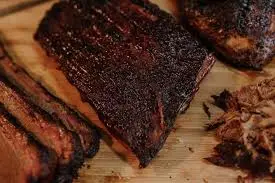
3. Artificial Smoked Meat Flavor
Traditional smoked meat gains flavor from wood burning smoke containing pyrazine molecules. Factories synthesize purified pyrazine directly to skip lengthy smoking procedures and avoid harmful tar from incomplete wood combustion.
Artificial smoked flavor reduces harmful tar intake by 71% compared with traditional wood smoking. It is the dominant flavor used in quick-made smoked sausages and packaged preserved meat.
4. Artificial Creamy Milk Flavor
This flavor simulates the fat aroma of fresh milk without dairy ingredients. It mixes lactone and fatty acid molecules to mimic the creamy texture smell people prefer.
It is mostly used in non-dairy creamer and cheap milk tea powder. It cuts raw material costs by 68% and avoids lactose intolerance triggers from real dairy.
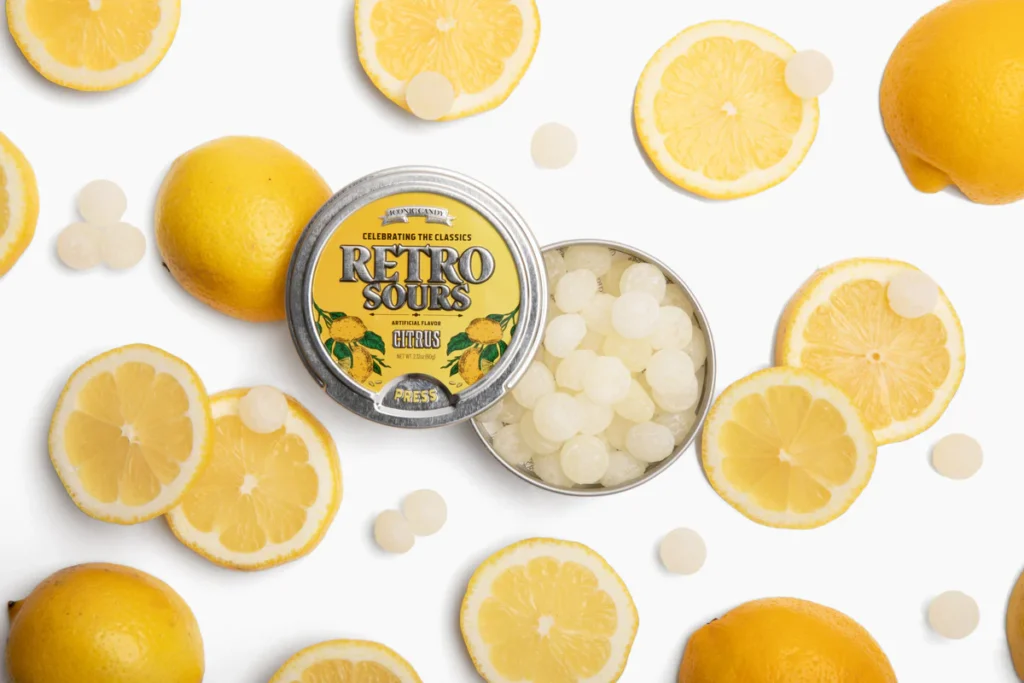
5. Artificial Citrus Sour Flavor
Usually made from synthesized citral, it copies the fresh sour aroma of lemon and orange peel. Unlike natural citrus extract, it will not turn bitter after long refrigeration.
It is added to sparkling water, chewing gum and salad dressings. It extends product shelf life by 50% while maintaining consistent sour taste throughout storage.
Common Misconceptions About Artificial Flavors
All artificial flavors cause chronic poisoning. Legal artificial flavors pass strict toxicology tests. Within regulated dosage, they are metabolized completely within 24 hours with no residual harm to organs.
Stronger flavor means more chemical additives. Taste intensity depends on molecular volatility, not additive quantity. Some highly volatile flavors only need 0.002g per kilogram of food.
Natural flavors are always safer. Natural plant flavors may carry pesticide residues or mold spores, while synthetic flavors have purified impurity-free components.
Practical Tips for Safe Consumption
Check ingredient labels for specific flavor names. Avoid vague labels marked simply as “natural and artificial flavors” with no detailed naming.
Avoid overconsuming single-flavor processed foods. Diversify daily snacks to prevent cumulative intake of multiple flavor additives.
Choose high-temperature processed foods cautiously. Some low-stability auxiliary flavor molecules may produce mild irritants under repeated heating.
Prioritize products with low flavor addition. Foods with rich raw material flavors need fewer artificial flavor supplements.
Conclusion
The five most widespread artificial flavors are vanillin, artificial strawberry flavor, synthetic smoked flavor, non-dairy creamy flavor and citrus sour flavor, covering bakery, beverage and meat industries.
Three mainstream misconceptions include equating artificial flavors with poison, linking strong taste to excessive chemicals, and blindly trusting all natural flavors.
Legally produced artificial flavors pose little health risk. Understanding their scientific synthesis helps consumers avoid unnecessary panic and make rational packaged food choices.