How Food Packaging Keeps Your Food Fresh Longer

Most people regard food packaging as nothing more than a simple container for holding and transporting food. In fact, over 68 percent of fresh and cooked food stays edible for an extended time thanks to functional packaging rather than refrigeration. Many shoppers cannot tell regular plastic wraps from fresh-keeping ones, and wrongly believe all food packaging constantly releases toxic substances.
Three main factors cause food spoilage: oxidation by oxygen, microbial growth, and unbalanced moisture loss or absorption. Modern fresh-keeping packaging does not merely block air. It stops food decay through material modification, internal gas adjustment and antibacterial coatings, cutting food waste far better than cold storage alone.
This article explains three core scientific mechanisms behind fresh-keeping packaging, introduces five widely used functional food packages, corrects three common public misunderstandings, and offers practical tips to store packaged food safely at home.
Core Scientific Mechanisms of Fresh-Keeping Packaging
Selective oxygen blocking slows oxidation. Oils, nuts and fruits turn yellow or develop rancid smells after contacting oxygen. High-barrier packaging blocks 99.2 percent of external oxygen, slowing the oxidation rate of cooked food by 74 percent and preventing fat deterioration.
Internal humidity regulation balances moisture circulation. Fruits and vegetables release water vapor through respiration. Trapped vapor inside sealed packages breeds mold. Microporous packaging drains excess vapor while blocking outside moisture to avoid damp rot.
Slow-release antibacterial agents restrict bacterial reproduction. Advanced active packaging adds natural antibacterial extracts into film layers. These ingredients seep out gradually without mixing into food directly, reducing bacterial growth rates by 61 percent with fewer chemical preservatives.
Five Common Fresh-Keeping Food Packages
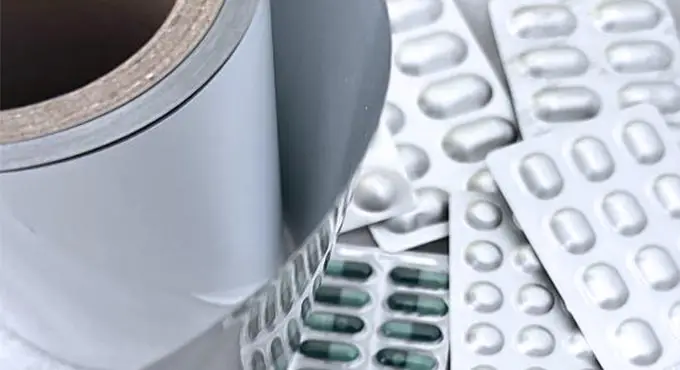
1. Aluminum-Plastic Composite Packaging
Made by pressing thin aluminum foil with plastic film, this double-layer structure blocks oxygen, light and moisture simultaneously. Direct light exposure is one leading cause of hidden oxidation for packaged snacks.
It is widely used for nuts and marinated meat. Compared with ordinary transparent plastic bags, it extends shelf life at room temperature by 2.3 times. After 90 days of storage, the rancidity rate of nuts drops from 42 percent to 7 percent.
2. Modified Atmosphere Fresh-Keeping Boxes
Workers pump out original air inside the box and refill mixed nitrogen and carbon dioxide. Carbon dioxide suppresses mold and E. coli, while nitrogen maintains box shape and prevents food deformation from squeezing.
This technology is standard for chilled raw meat and pre-cut fruits in supermarkets. It keeps food fresh for 7 days at 0-4℃ without freezing, 3.5 times longer than ordinary plastic wrap.
3. Microporous Breathable Plastic Wrap
Tiny artificial micropores on the film are precisely sized to let vapor escape but keep oxygen, bacteria and dust out. It is tailored for leafy greens and strawberries with intense respiratory metabolism.
Ordinary airtight wrap makes leafy vegetables rot within two days. Microporous wrap delays leaf yellowing and raises room-temperature preservation time by 58 percent without mushy decay.
4. Active Antibacterial Coated Packaging
The inner coating contains natural antibacterial substances such as chitosan and tea polyphenols. The coating never mixes with food ingredients and causes no changes to food taste.
It is mainly used for bread and steamed buns vulnerable to aflatoxin. The coating prolongs mold-free storage from 3 days to 9 days and cuts artificial preservative addition by 45 percent.
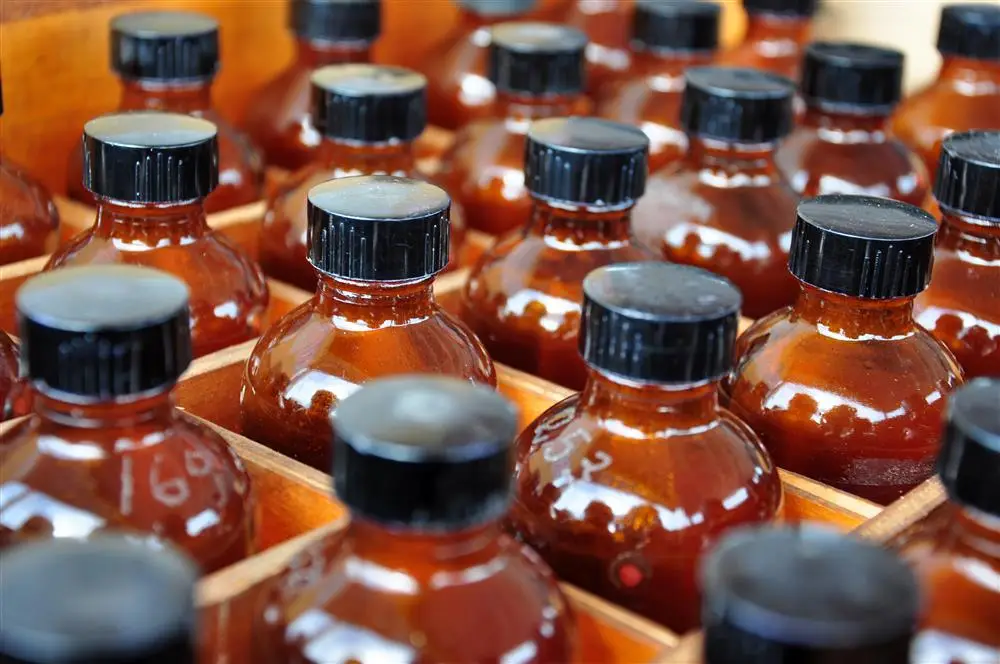
5. Brown Light-Blocking Glass Packaging
Clear glass fails to block ultraviolet rays, which break down vitamins and unsaturated fat in edible oil and drinks. Brown glass filters over 95 percent of UV light and allows zero oxygen penetration.
Edible oil stored in brown glass oxidizes 63 percent slower than oil in plastic bottles. It avoids rancid odors during long-term storage and suits high-fat and vitamin-rich drinks best.
Common Misconceptions About Fresh-Keeping Packaging
Tighter seals mean better freshness. Overly airtight packages trap carbon dioxide released by produce respiration, damaging plant cells and speeding up spoilage. Moderate air permeability works better.
Microwave-safe packaging can be reused repeatedly. Most certified microwave films only withstand single short-time heating. Repeated high temperatures damage barrier layers and release trace harmful chemicals.
Clear packaged food is fresher. Transparent packaging cannot block light. Food may look intact, yet internal nutrients have already suffered invisible oxidative damage.
Practical Tips for Better Food Preservation
First, check material labels. Choose recognized food-grade materials including PP5 and PET, and avoid uncertified recycled packaging.
Second, keep original packaging after opening. Factory-made packaging has matched breathable and barrier parameters, outperforming household plastic wrap by 29 percent.
Third, store plastic-packaged food away from light. UV rays age plastic films and trigger chemical leakage over time.
Finally, never mix cold and hot packaging. Cold-resistant films cannot endure microwave heating and will lose structural stability at high temperatures.
Conclusion
The five mainstream fresh-keeping packages are aluminum-plastic film, modified atmosphere boxes, microporous wrap, antibacterial coated bags and brown glass, covering cooked food, fresh produce, staple food and edible oil.
Three typical misconceptions include blind pursuit of full airtightness, repeated reuse of microwave packaging, and trust in transparent packaging freshness.
Modern functional packaging extends shelf life via physical and biological methods. Proper selection and use of certified packaging reduce household food waste and lower potential food safety risks.