Why Does Coffee Taste Bitter?

Many casual coffee drinkers mistake bitterness for a strong flavor. In their mind, dark-roasted beans are always bitter and an extra hot brew will only make the taste more harsh. Most folks who find their coffee too bitter simply add sugar and cream, which mainly cover up the unpleasant flavors rather than fix the problems. With this confusion, they tend to miss controllable brewing mistakes that mainly cause coffee bitterness.
Coffee beans naturally only have faint bitterness mainly because of caffeine. More than 90% of nasty, bitter and lingering flavors result from roasting and water extraction chemistry, not the bean. Two key chemical substances – chlorogenic acid lactones and melanoidins – are responsible for almost all bitter flavors perceived by taste buds. Understanding these chemical processes, you can make incredibly smooth, low-bitter black coffee, without even thinking about additives.
We will take a look at what chemically causes coffee bitterness, what are the 5 factors leading to over-extraction and harsh bitterness, how the usual methods of masking bitterness only cause more problems, and what are easy changes to your routine that can dramatically reduce coffee bitterness even if you do not know how to use any coffee equipment.
The Core Chemical Principle of Coffee Bitterness
Unroasted green coffee beans hardly have any bitter substances. The lone naturally occurring bitter compound is caffeine, which is responsible for less than 10% of the bitterness in a cup. Raw beans primarily contain chlorogenic acid, a stable phenolic compound, mildly sour, but non-bitter and without harsh flavor.The high temperatures associated with roasting lead to two irreversible chemical changes. One is that chlorogenic acid transforms into chlorogenic acid lactones, the bitter compounds of medium strength, which are produced at 190°C-220°C range. The second one is the Maillard browning that leads to the production of melanoidins, the heavy, dry bitter compounds, at temperatures exceeding 225°C.
Hot water extraction only partially dissolves these two bitter compounds. Within the first 20 seconds of brewing, the sweet and acidic coffee compounds are dissolved, while the bitter molecules are released slowly in the later extraction stages. Over-extraction leads to the final drink containing too many bitter substances, giving a bitter, burnt aftertaste.
Five Key Factors That Worsen Coffee Bitterness
1. Overly Fine Coffee Grounds
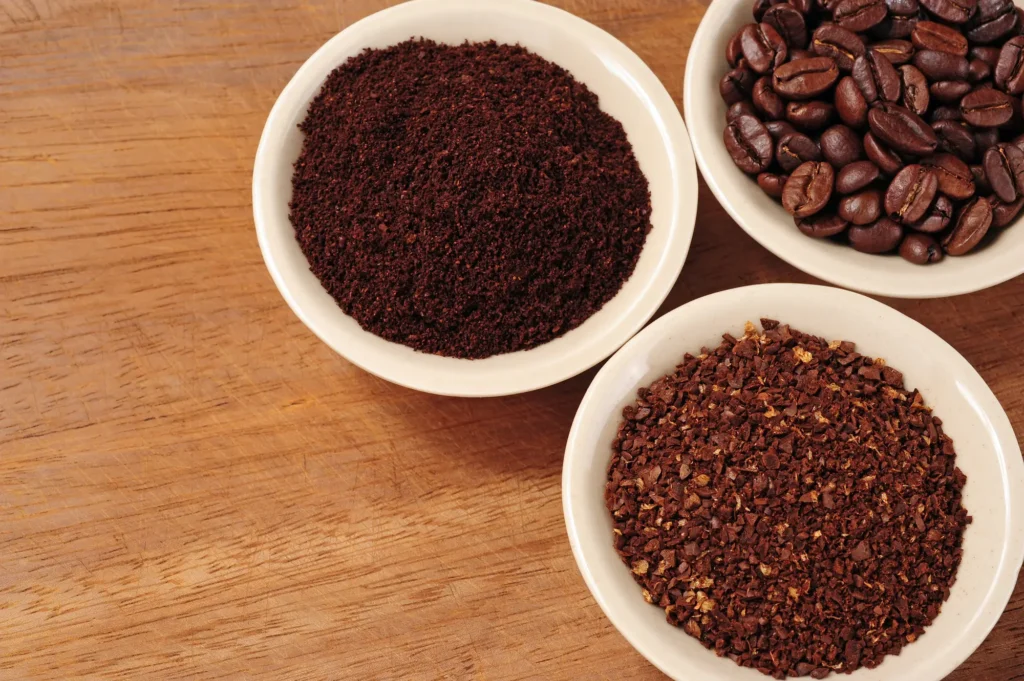
Grinding beans into powder finer than table salt creates massive tiny particle surface areas. Finer grounds make hot water contact coffee tissue dozens of times faster than coarse chunks.
Excessive contact accelerates late-stage bitter molecule dissolution. Coffee ground too fine tastes sharply bitter and muddy, even with standard brewing time. Fine grounds also clog filter paper, extending unintended extraction time automatically.
2. Excessively Hot Brewing Water
Water temperature above 96°C drastically speeds up phenolic compound breakdown. Near-boiling water destabilizes intact bean cellulose, unlocking deep-seated melanoidins that remain dormant at lower temperatures.
Water between 85°C and 92°C selectively extracts sweet and fruity flavors. Boiling water extracts 35% more bitter compounds, producing burnt, smoky bitterness that cannot be balanced by natural coffee acidity.
3. Over-Long Brew Extraction Time
All desirable sweet, floral and acidic flavors finish extracting within 2 minutes. No new pleasant flavors appear after this window, only residual bitter tannins and lactones dissolve into water.
Every extra 30 seconds of brewing increases detectable bitterness by roughly 20%. Stale drip coffee left on hot plates for more than five minutes develops strong dry bitterness as hot water continues re-extracting grounds.
4.Dark Over-Roasted Coffee Beans
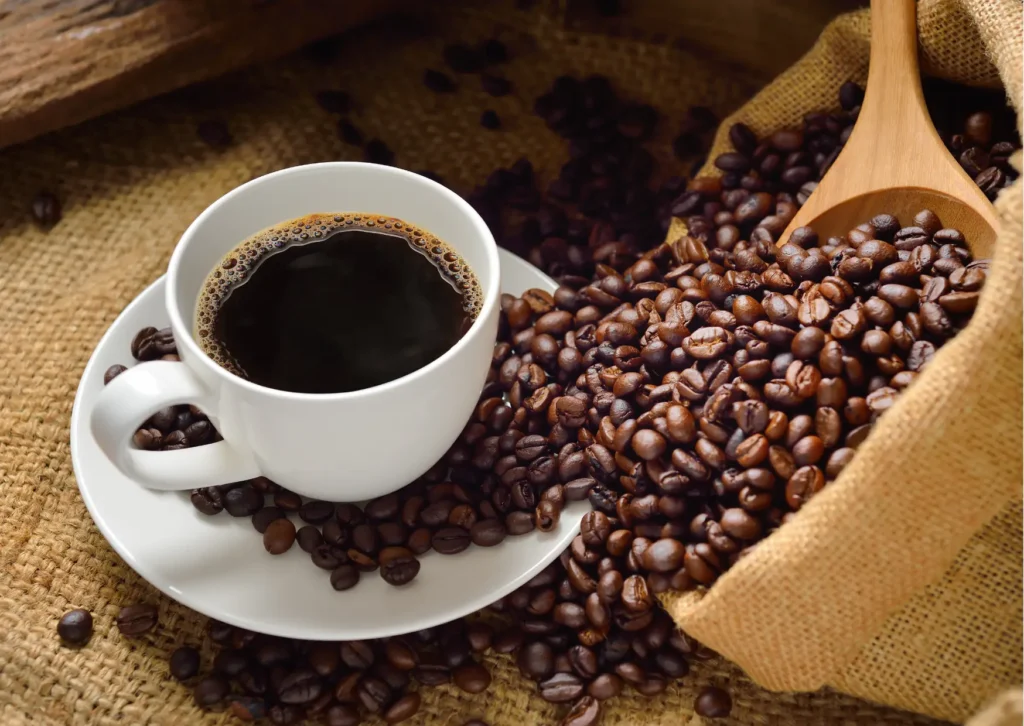
Roasts lighter and medium keep a good portion of the original chlorogenic acid without a lot of breakdown. Once the temperature goes past 230°C in roasting, that’s when you get really dark roast which leads to caramelization and a significant increase in melanoidin levels.
If a dark roast is burnt, it also results in the formation of carbonized bean fiber which is responsible for the ashy, harsh and bitter taste. In fact, dark roast coffee, contrary to what most people think, has less caffeine but a much stronger bitter taste compared to light roast.
5. High Coffee-to-Water Ratio
When a lot more coffee is ground for a certain amount of water, the resulting solution becomes highly concentrated with all types of compounds present.
Besides adding more grounds to make the flavor stronger, drinkers actually just end up making the bitter substances more dominant. Bitter phenolic compounds are even more soluble in water than the sugars that are responsible for the sweet taste.
Therefore, a slight increase in coffee dosage causes bitterness to sharply rise but sweet flavor only grows a little resulting in loss of flavor balance altogether.
Wrong Bitterness Fixes You Shouldn’t Use
Adding cold water just to dilute the cup of coffee is not a way to get rid of the bitterness. It only reduces the total flavor strength, whereas the concentration of bitter molecules relative to the taste buds remains the same.
Washing coffee filters with cold water will not help. Bitter compounds that have a high molecular weight cannot be pre-dissolved by cold water. Besides that, it lowers the brewing temperature in an uneven way, which results in sour flavors that are the opposite of the desired ones.
If you leave coffee to cool down on its own, you are only making its bitterness more evident. As temperature decreases, taste buds in humans become more and more sensitive to bitter substances, so cold black coffee tastes more bitter than hot one.
Science-Backed Tricks to Reduce Coffee Bitterness
First, use coarse sea-salt-sized grounds for drip brewing. Larger particles shorten extraction time and block excess bitter molecule dissolution.Second, lower brewing water to 88°C-90°C. Moderate heat prioritizes sweet and acidic flavor extraction without unlocking deep bitter compounds.Third, cut brew time to maximum 2 minutes. Stop water dripping immediately to avoid late-stage over-extraction of tannins.Finally, choose medium-light roasted beans. These beans balance flavor richness and low melanoidin levels for naturally smooth black coffee.
Conclusion
Contrary to popular belief, coffee bitterness seldom is due to caffeine. It mostly arises because of roasted phenolic byproducts and extracts obtained in excess. Therefore, fine grinding, water at the boiling point, brewing for a long time, dark roasts and high coffee ratios are the top five factors that lead to harsh bitterness.
Simply diluting and chilling only temporarily hide bitter sensations. On the other hand, changing grind size, water temperature and brew time address chemical causes from the root without using sugar or cream. By just experimenting with a few brewing parameters you can make a nice, smooth black coffee with very little unpleasant bitterness that you can enjoy every day.