How Long Does Food Last in the Fridge?

The majority of people simply assume refrigeration will make food last forever. They might, without thinking, keep leftover dishes, sliced vegetables and opened dairy products for over a week in the fridge, trusting that cold temperature completely halts bacterial growth. This very risky and careless behavior is responsible for hidden food spoilage and mild food poisoning every year.
Typically, a household refrigerator doesn’t actually kill the bacteria but only slows down their reproduction. The usual fridge temperature (4°C) is insufficient to stop the growth of cold-resistant bacteria like Listeria. The food which appears to be unchanged can harbor a large number of invisible bacteria, even without any odd smell or mold.
The purpose of this piece is to illuminate the fundamental microbiological basis of refrigerator food preservation, identify five main factors that shorten the fridge shelf life, disprove three common misconceptions about food refrigeration and reveal some no-cost methods of extending the food fridge storage time at home safely.
The Core Microbiological Principle of Refrigeration Preservation
Food spoilage is driven by mesophilic bacteria that multiply fastest at 20°C to 35°C. At room temperature, these bacteria can double in quantity every 20 minutes, breaking down food protein and sugar rapidly within one day.Cooling food to 0°C-4°C inhibits mesophilic bacterial enzyme activity. Low temperatures reduce bacterial metabolism and division speed by nearly 90%, greatly delaying food decomposition and odor generation.However, psychrophilic cold-resistant bacteria adapt perfectly to fridge temperatures. They continue slow reproduction in cold environments, gradually accumulating toxic metabolites. After crossing the safe storage limit, these metabolites will trigger human vomiting and diarrhea.
Five Key Factors Shortening Fridge Food Shelf Life
1. Uneven Internal Fridge Temperature
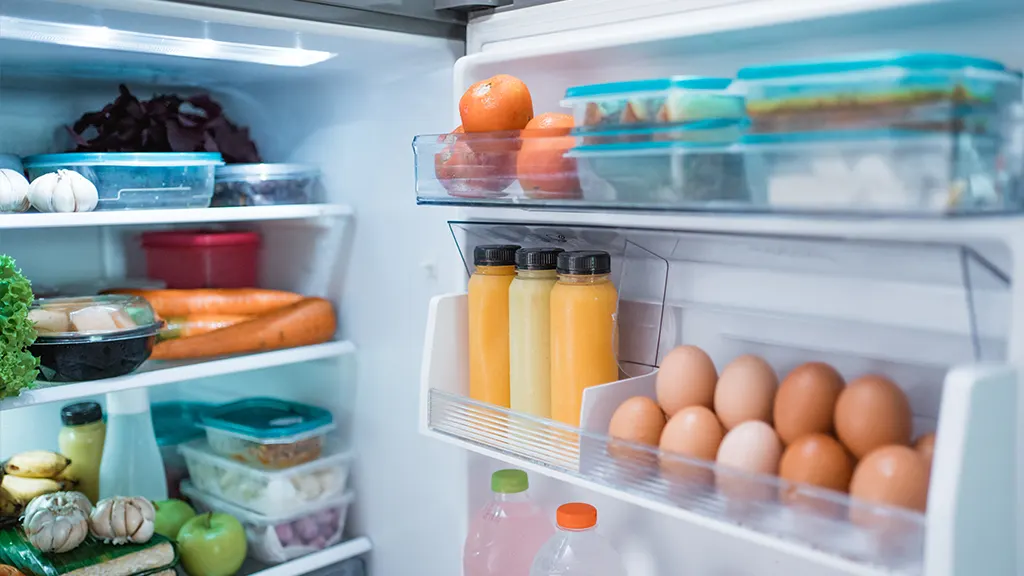
Most household fridges have unbalanced temperature zones. Door shelves stay at 6°C to 8°C due to frequent opening, while back inner corners remain stable at 3°C. The temperature gap exceeds 5°C in one single fridge.
Food placed on door shelves spoils 2 times faster than inner shelf food. Fluctuating door temperatures fail to restrain mesophilic bacteria, leading to early souring and slimy texture of dairy and deli meat.
2. Storing Hot Food Directly
Putting steaming hot leftovers into the fridge raises local internal temperature instantly. A single bowl of hot rice can lift surrounding shelf temperature by 4°C for more than two hours.
Local high temperature creates a bacterial growth hot zone. It accelerates cross-contamination between adjacent food and increases overall fridge energy consumption, shortening the shelf life of all nearby ingredients.
3. Incomplete Air-Tight Packaging
Uncovered food or loose plastic wrap cannot block airborne mold spores in the fridge. Frost-free fridges run constant internal air circulation, spreading spores to every food layer.
Exposed food also loses surface moisture rapidly. Dehydrated food cell structures crack, providing richer nutrients for mold and cold-resistant bacteria to colonize quickly.
4.Raw and Cooked Food Mixed Placement
Raw meat has a heavy load of Salmonella and Escherichia coli on its surface. These pathogens can live for two weeks at regular fridge temperature before dying off.
Cross-air circulation results in the transfer of pathogens onto cooked ready-to-eat food. Cooked food remains without visible spoilage but the contamination by bacteria through cross-contamination is invisible and it is the leading cause of food poisoning from leftovers.
5. Frequent Fridge Door Opening
Each time you open the fridge door, warm humid air from outside comes in. For each 10 seconds of door opening, the internal humidity of the fridge increases by 6% and the average temperature goes up by 1 degree Celsius temporarily.
The high humidity level speeds up the germination process of mold spores. Frequent changes in temperature make it difficult to maintain a very low temperature, in fact, food spoilage happens 30% faster in a frequently opened fridge as compared to a rarely opened one.
Misleading Refrigeration Habits to Avoid
Using food smell as a gauge for fridge safety. In fact, cold-resistant bacteria that cause food poisoning typically produce odorless toxins, which means that spoiled food can taste quite normal until it accumulates a high level of toxins.
Refreezing food that has been partially thawed. Bacteria present in food that is being thawed can multiply and refreezing will not kill those bacteria, which means that you are exposed to food safety risks when you do this.
Only cleaning your fridge when mold is visible. In reality, bacterial biofilms that you cannot see with a naked eye can already be present and growing on your fridge liners long before mold is visibly spotted, and those bacteria constantly contaminate your stored food.
Science-Backed Tricks to Extend Fridge Storage Time
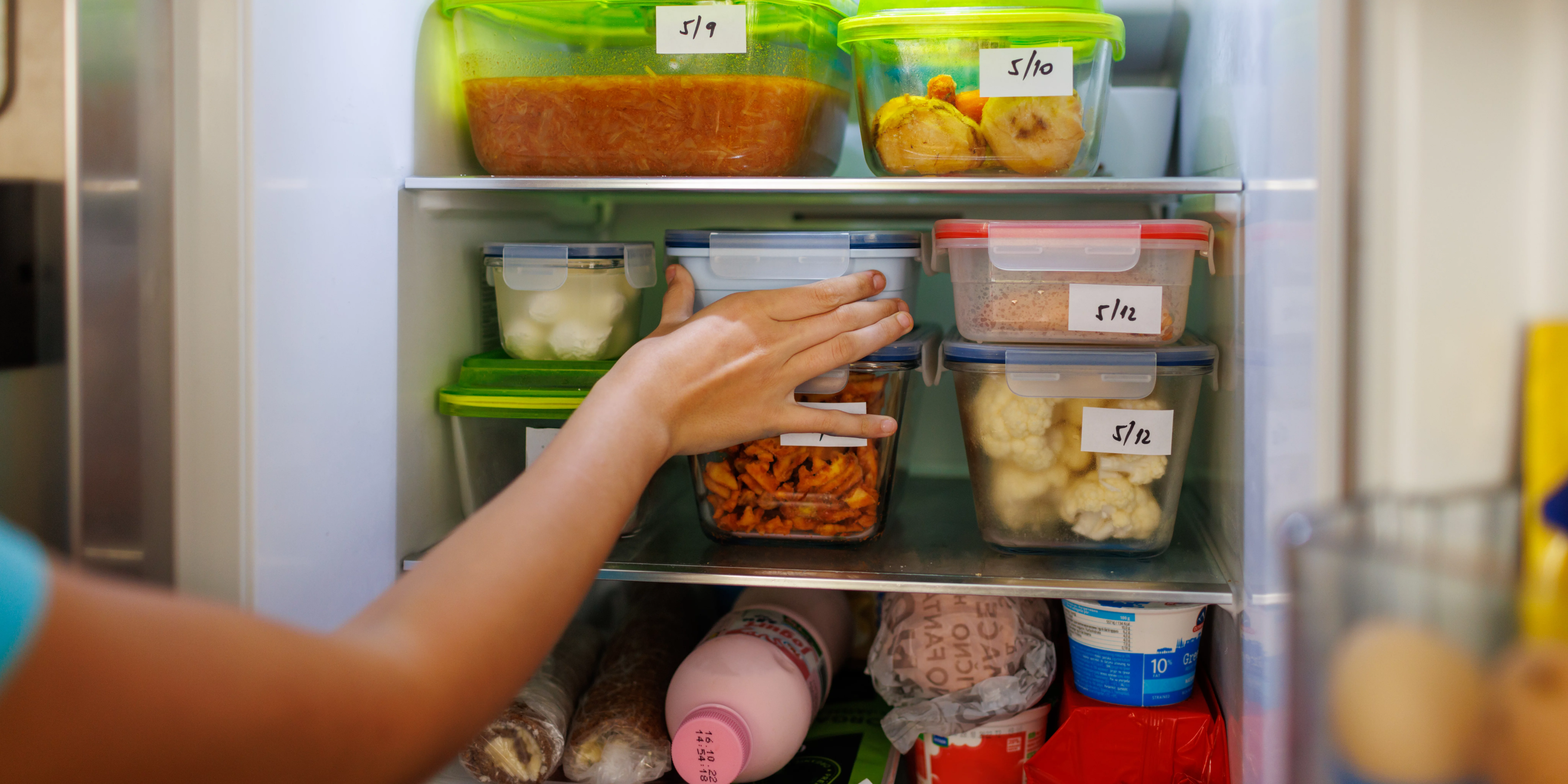
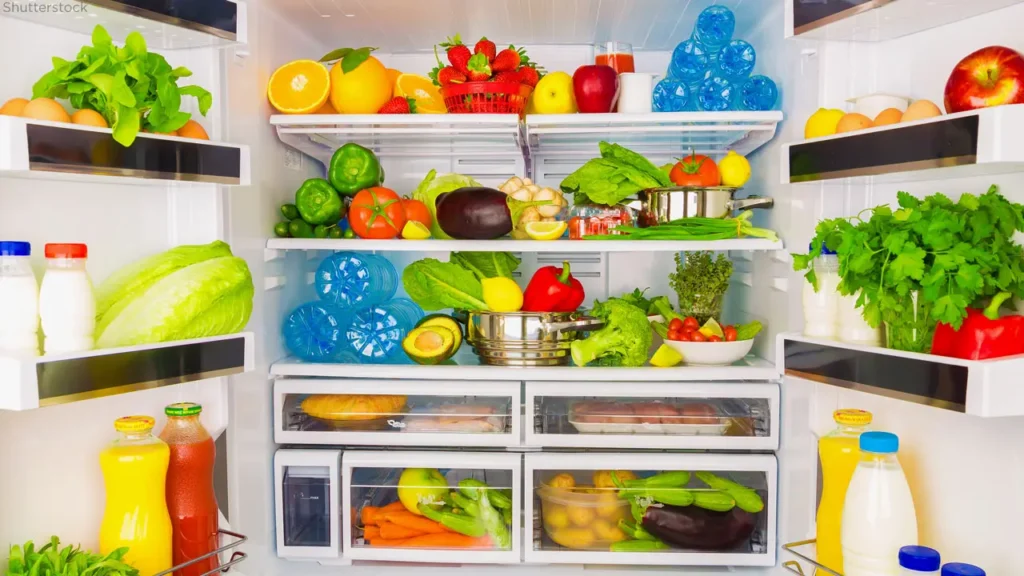
To start, separate raw and cooked food by stacking them in different layers. For example, you can put cooked meals on top shelves and raw meat in closed drawers in the bottom so that the air pollution from one is prevented from mixing with the other.
Secondly, let hot leftover food cool down to the room temperature within 2 hours before putting it in the fridge. Avoid leaving food at room temperature for a long time and also avoid local temperature surges in the fridge.
Thirdly, it is better to use sealed airtight containers than wrap it loosely as complete air isolation can prevent moisture loss and infection by mold spores.
Last but not least, try to keep the fridge open during a single opening for not more than 8 seconds. This way, you are reducing temperature and humidity variations which in turn help to maintain the preservation environment at low temperatures.
Conclusion
Refrigeration only slows bacterial growth instead of sterilization. Uneven temperature, direct hot storage, poor sealing, mixed placement and frequent door opening are five major factors cutting food fridge shelf life.
Odor judgment, secondary freezing and delayed cleaning are risky wrong habits that ignore invisible cold-resistant bacteria. Zoned storage and rapid cooling are safe low-cost solutions.
By standardizing fridge placement and usage habits, people can follow accurate shelf-life limits and avoid hidden food poisoning risks effectively.