Foods You Should Never Freeze

Freezing is the first thing most people think of as a way to preserve food for a long time. They generally put all kinds of leftover fruits, dairy and cooked vegetables in the freezer, thinking that the extremely low temperature will completely kill the microbes and thus the activity of these microbes will be stopped forever. However, this unthinking freezing practice leads to the destruction of food texture and also initiates hidden loss of nutrients.
Freezing merely stops the microbes from metabolizing but it does not stop the physical and chemical changes that occur inside foods. When ice crystals form very quickly, they damage the fragile cell structures. Some types of foods that contain a lot of water, are emulsified or are leafy, may be permanently damaged in terms of their qualities by freezing even though microbiologically they are OK for consumption.
By reading this article, you will understand the main physical reason for food freezing damage, find out five common foods that should not be frozen, see three very common mistaken freezing operations refuted, and discover no-cost ways of preserving freeze-sensitive food items.
The Primary Physical Mechanism behind Freezing Damage
More than 70% of the weight of most fresh foods comes from water contained within the cellular structure of the food. When a food is kept in the refrigerator, the water within the cells will stay in liquid form, and the cell membranes will remain intact. Household freezing at -18°C will convert the water inside cells into very sharp ice crystals within 90 minutes. These hard crystals will puncture the thin cell membranes and will irreversibly tear the internal tissue connections.
When the food is defrosted, since the damaged cells can no longer hold in the moisture, there will be a large amount of cell fluid leakage. That will lead to food going limp, becoming waterlogged, layers separating, and flavor weakening. At the same time, bacteria will grow rapidly on the leaked moisture after thawing.
Five Key Foods You Should Never Freeze
1. Raw Leafy Green Vegetables
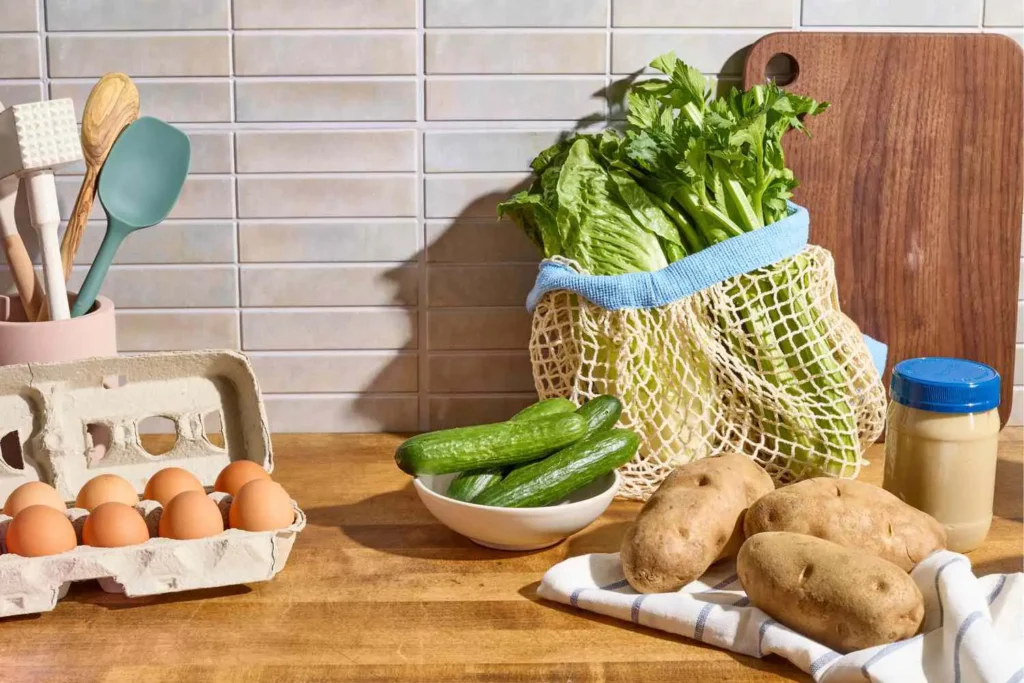
Spinach, lettuce and cabbage feature ultra-thin single-layer cell walls with no fibrous protection. Their intracellular water content reaches 92%, the highest among common vegetables.
Ice crystals fully rupture leaf cell structures. After thawing, greens turn slimy, dark and odorless, losing all edible crisp texture and rotting within 2 hours at room temperature.
2. Soft Fresh Dairy Cream
Whipping cream and sour cream rely on stable water-fat emulsification to maintain texture. Fat molecules and water molecules form uniform tight combinations at 4°C.
Freezing separates emulsified water and fat completely. Thawed cream splits into watery liquid and solid fat clumps, and cannot be re-stirred back into smooth cream for cooking or baking.
3. Hard-Boiled Egg Whites
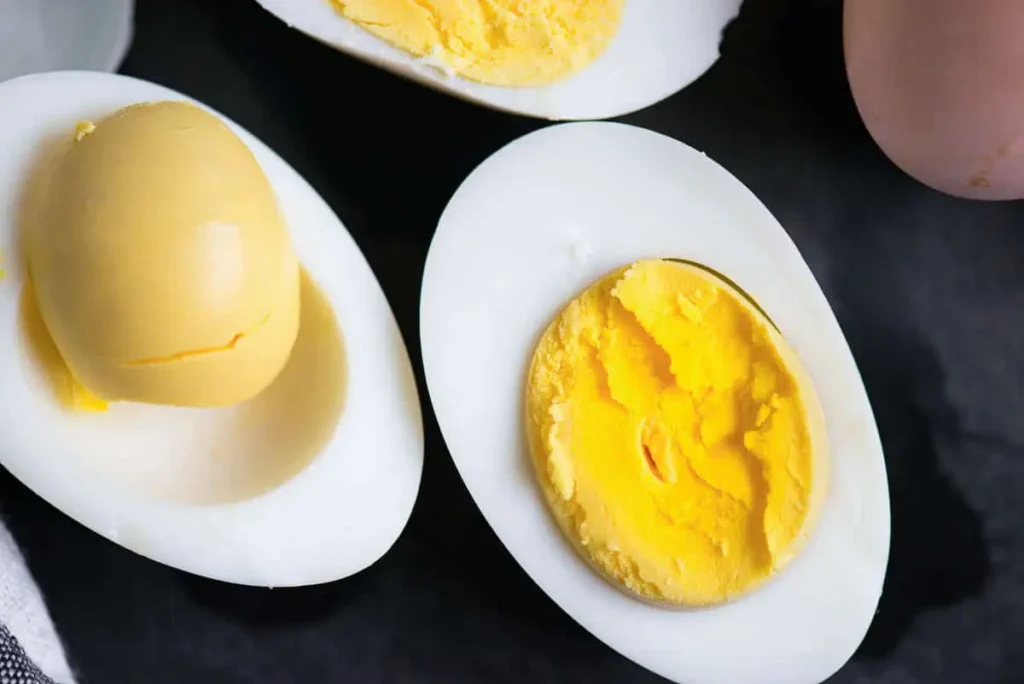
Cooked egg white forms dense cross-linked protein networks after heating. This protein structure shrinks sharply under subzero freezing temperatures.
Shrunken protein squeezes out internal bound water. Thawed egg whites turn rubbery, tough and chewy with a bitter aftertaste, making them nearly inedible.
4. Watery Fruits With Thin Peels
Watermelon, cucumber and citrus segments contain scattered isolated water vacuoles. Their peel cannot resist internal ice expansion during freezing.Vacuole rupture causes complete tissue collapse. When watermelon is thawed, it turns grainy and watery, while citrus segments actually separate from the peel and lose all their sweet juice.
5. Fully Cooked Potato Dishes
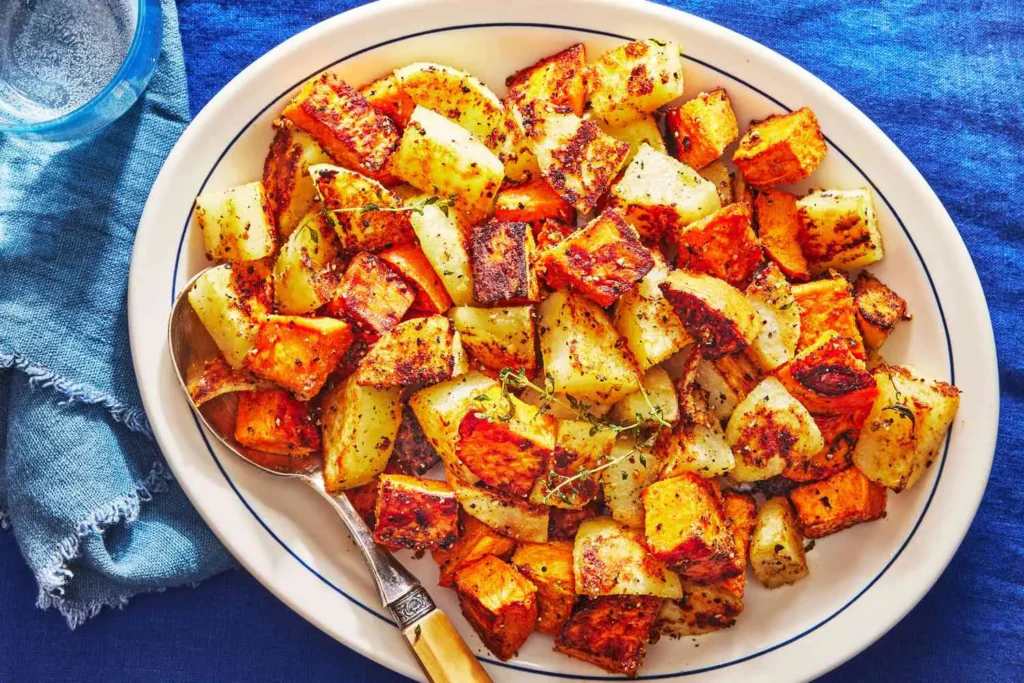
Cooked potatoes contain gelatinized, loose starch structures. Freezing changes the starch molecular chains into hard retrograded crystals. Retrograded starch is not able to take up water again after thawing. Frozen mashed potatoes become grainy and gritty and have a stale, earthy flavor that is not removed even by reheating.
Misleading Freezing Habits to Avoid
Freezing food without air-removal from packaging. A leftover air promotes freezer burns, which leads to dry gray spots and a compromised flavor caused by oxidation on food surfaces.Refreezing fully thawed sensitive foods. Secondary freezing ice crystals become larger, which means twice the cell damage and a much higher spoilage risk. Keeping freeze-sensitive foods next to frozen meat. Odor transfer occurs very quickly in cold environments and can spoil the flavors of delicate foods beyond repair.
Science-Backed Preservation Tricks for Non-Freezable Foods
First, wrap leafy greens with dry paper towels. The towels absorb excess surface moisture and extend refrigeration shelf life for 5 days without freezing.
Second, store soft cream at stable 2°C-4°C cold storage. Avoid temperature fluctuations to maintain long-term water-fat emulsification stability.
Third, keep cooked potatoes sealed and refrigerated within 24 hours. Short-term cold storage avoids starch retrogradation better than freezing.
Finally, cut watery fruits right before eating. Short-time fresh refrigeration prevents cell rupture without texture loss.
Conclusion
Food freezing damage stems from ice crystal cell rupture and molecular structural changes. Watery leafy greens, soft cream, cooked egg whites, juicy fruits and cooked potatoes are five categories unsuitable for freezing.
Unsealed freezing, repeated refreezing and mixed cold storage are harmful wrong operations. Targeted sealed refrigeration is safer than forced freezing for sensitive ingredients.
By distinguishing freeze-tolerant and freeze-sensitive foods, people can avoid irreversible texture and nutrition loss in daily food preservation.