Foods You Should Never Store Together

Most people keep leftover fruits, vegetables and dairy products all mixed up in the same fridge compartment. They think that very low temperature will completely prevent interaction between the different ingredients and consider storing them together as a space-saving practice of daily routine. This careless habit not only speeds up the food becoming stale but also leads to flavor mixing on a large scale.
What refrigeration does is just slow down the reproduction of microbes, it doesn’t stop the exchange of gases or the spreading of hormones. A number of ripe fruits give off ethylene gas and strong scent molecules which cause the neighboring food to change in ripeness, cell structure and taste. Not matching food pairs can even spoil twice as quickly under the usual 4°C refrigeration.
Here, we reveal the main botanical reason behind incompatible food storage, introduce five main food pairs that should never be mixed, identify three notorious mixed storage myths, and also provide no-cost fridge zoning techniques for the prolonged preservation of fresh food.
The Fundamental Botanical Cause of Cross Food Spoilage
At the ripe stage, climacteric fruits inevitably give out ethylene, which is plant hormone in gaseous form responsible for the ripening process. It easily enters one fruit or vegetable cell at a time through their membranes and even plastic wrap or thin packaging cannot block it. After entering the cells, ethylene makes the cell walls decay faster and it also causes the loss of chlorophyll. It leads to quick water loss, softening of the tissues and most likely mold growth on ethylene-exposed vegetables very rapidly. On the other hand, foods of a strong scent give off lipid-based volatile molecules which also happen to circulate in the fridge air.
Sealed refrigerators with a high humidity level inside intensify both these effects and odor molecules proceed to permanently stick to porous food surfaces. Besides, exposure to excess ethylene can decrease the shelf life of delicate items by more than 40% in just three days.
Five Dangerous Food Pairs for Mixed Storage
1. Apples and Leafy Greens
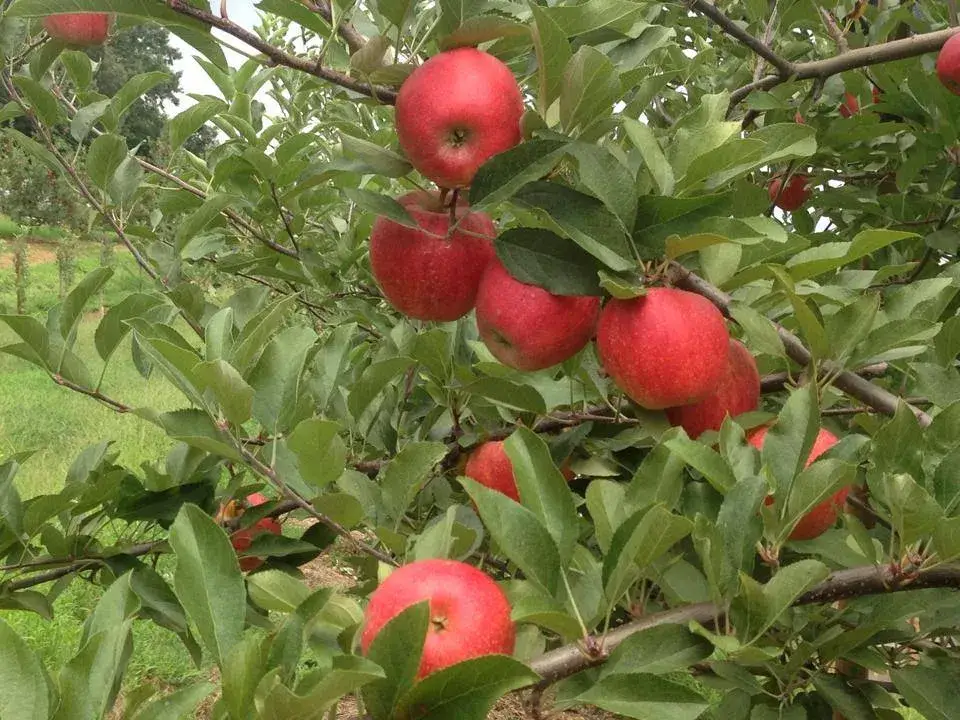
Apples are top-level ethylene releasers, releasing 80 micrograms of ethylene per kilogram every hour after ripening. They maintain high hormone output even under refrigeration.
Leafy greens like lettuce and spinach are extremely ethylene-sensitive. Mixed storage causes yellowing, wilting and edge rot within 48 hours, far faster than separate sealed storage.
2. Onions and Potatoes
Onions continuously release sulfide volatile gases and absorb ambient moisture actively. They need dry, well-ventilated storage environments to avoid mold.
Potatoes emit abundant water vapor constantly. Extra moisture triggers onion mildew, while onion sulfides stimulate potato sprouting and toxic solanine production in just one week.
3. Bananas and Citrus Fruits
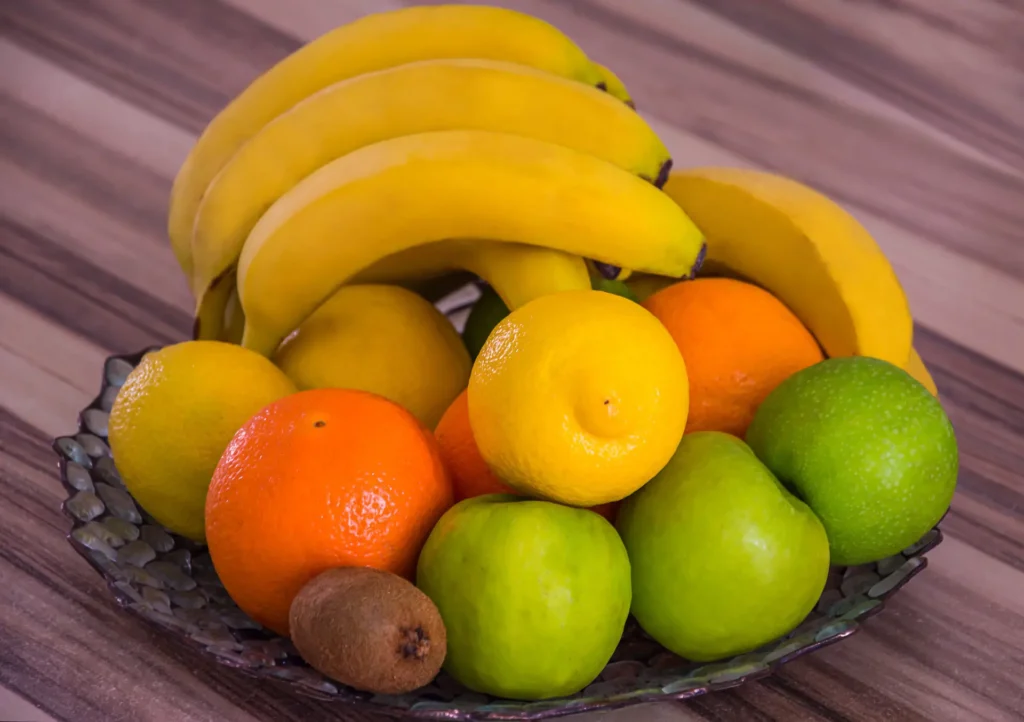
Unpeeled bananas have thin porous peels with no odor barrier. They absorb external volatile flavors at an extremely fast rate in cold humid air.
Oranges and lemons release concentrated limonene essential oil. Mixed storage makes bananas develop bitter citrus aftertaste, and banana ethylene speeds up citrus peel decay and mold growth.
4.Raw Meat and Soft Berries
Raw beef and pork are rich sources of psychrophilic salmonella and listeria. These bacteria can easily spread to other items through water droplets that form from condensation inside a fridge that is kept closed.Strawberries, blueberries have soft and delicate skins that are very porous and do not have a waxy protective layer. Bacterial cross-contamination is invisible as it doesn’t cause any visible changes but it can lead to serious foodborne illnesses after consuming the contaminated food.
5. Tomatoes and Cucumbers
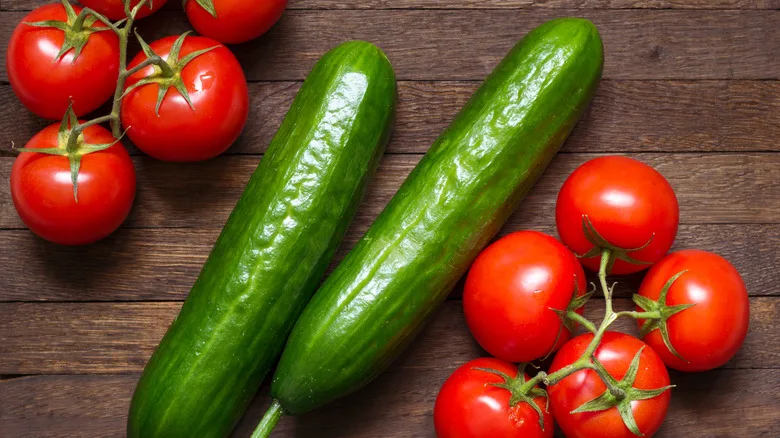
Tomatoes that are kept in the refrigerator continue to emit ethylene gas and are able to adjust themselves to 10°C-15°C storage. Their metabolic process continues in cold conditions.Cucumbers that are cooled to a temperature lower than 8°C stop their normal cell metabolism and become susceptible to the effects of ethylene. This combination of storage results in cucumbers becoming hollow, their pulp turning watery and their surface becoming depressed within five days.
Misleading mixed storage habits to avoid
Thin plastic wrap isolation for incompatible foods. Household wrap of a conventional type cannot block gaseous ethylene and very small water droplets; hence it is ineffective in preventing cross-spoilage.
Putting all foods in the fridge door shelves. Temperature fluctuations in the door greatly increase gas diffusion, making cross-contamination 30% faster than if foods are stored on inner shelves.
Without partitions mixing dry and wet ingredients. Condensation from wet food will cause mold growth on dry foods even if they are of different types.
Science-Backed Fridge Zoning Storage Tricks
Firstly, put the high ethylene producing fruits in the sealed crisper drawers. It helps you isolate apples, avocados and bananas separately that produce the internal hormone gas which is harmful to the other fruits.Firstly root vegetables should be kept in the dry lower drawers. To avoid moisture and gas exchange, potatoes and onions should be kept in separate breathable paper bags.Thirdly, put soft berries at the top cold shelves. Keep away from raw meat and avoid falling condensed water pollution.Finally, separate the tropical and temperate fruits. Use different drawers for tomatoes and cucumbers according to their temperature requirements.
Conclusion
Incompatible food spoilage mainly comes from ethylene diffusion, moisture exchange and bacterial cross-contamination. Apple-greens, onion-potato, banana-citrus, meat-berry and tomato-cucumber are five high-risk mixed storage pairs.
Thin wrap isolation, door shelf storage and unpartitioned dry-wet mixing are ineffective misleading methods. Drawer zoning and breathable sealed packaging are reliable solutions.
Reasonable classified storage eliminates cross-spoilage and flavor pollution, extending overall fridge food shelf life by nearly 50% without extra preservatives.