How to Store Fruits Properly

Most people indiscriminately throw all kinds of fruits into the refrigerator. They simply think cold temperature can universally slow down the spoilage of fruits and disregard the fact that different fruits have very different ripening characteristics. Due to this negligent storage method nearly 50% of household fruits become mushy, hollow or tasteless leading to unnecessary food wastage.
Fruits can be separated based on the presence or absence of a ripening stage called climacteric into two types having different metabolic rates and ethylene production. Refrigeration can only slow down the respiration of fruits whose cells can withstand cold but it will also result in the destruction of cell membranes of tropical fruits. The unthinking one variety cold storage will disrupt internal sugar and water metabolism and promote decay.
This paper throws light on the main respiratory metabolism aspect of fruit preservation, points out five main wrong fruit storage habits, knocks down three popular fruit storage myths and also gives simple to follow household classified storage tips.
Key Principle of Fruit Freshness Maintenance
Once fruits are harvested, they still have a living respiratory metabolism and eat up their own fructose and water. The greater the rate of respiration, the sooner the breakdown of pulp fibers, thus the shrinking and rotting will occur more quickly. Climacteric fruits which are ripe give off a lot of ethylene and double their respiration rates. This ethylene helps to ripen the nearby non-climacteric fruits very quickly. Non-climacteric fruits produce little ethylene and so they only slowly wilt on their own. Temperature and humidity at storage units directly determine how intense the respiration will be. A rise of 5℃ in temperature results in the doubling of fruit respiration. Low humidity leads to shriveling of the peel whereas excess humidity causes mold growth, both of which drastically reduce the shelf life.
Five Common Wrong Fruit Storage Habits
1. Refrigerating Bananas and Mangoes Directly
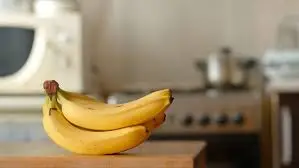
Bananas and mangoes are typical tropical fruits adapted to temperatures above 20℃. Their pulp cell membranes have poor cold resistance with no low-temperature protection mechanism.
Refrigeration at 4℃ causes irreversible chilling injury. Dark dents spread on peels and sugar conversion stops completely. Peels cannot recover after rewarming, and sour, dry pulp loses edible value forever.
2. Removing Stems of Strawberries and Blueberries Early
Fruit stems act as natural sealed barriers for berry fruits. Dense fiber tissues at stem joints block mold spores from invading inner pulp.
Early stem removal creates open wounds vulnerable to botrytis cinerea in fridge air. Mold risk of stemless berries rises by 60% within 48 hours, and leaking juice contaminates surrounding fruits.
3. Sealed Refrigeration for Kiwis and Avocados
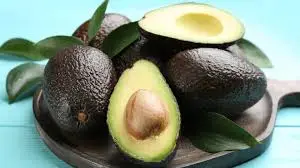
Unripe kiwis and avocados are high-ethylene climacteric fruits that require continuous gas exchange to discharge respiratory waste.
Complete airtight packaging accumulates carbon dioxide and induces anaerobic respiration. The pulp produces alcohol, turning hollow and bitter and failing to ripen naturally.
4.Refrigerating washed grapes immediately
The powdery bloom on grape skins is a natural waxy protective layer. It helps to retain the moisture of the pulp and prevent the external bacteria to enter, whereas the bacteria will be wiped away completely after washing with tap water.
After washing, grapes will absorb the condensed moisture from the refrigerator, causing the stems to black rot. Washing will also reduce the shelf life of grapes by half and also make the clusters more likely to fall.
5. Storing Apples and Strawberries Together
Among the fruits we eat daily, apples are the greatest producers of ethylene. They keep producing ethylene even when stored in the refrigerator, and this ethylene can easily pass through thin plastic wraps.
Strawberries are very sensitive to ethylene. They become soft and develop dark red spots very quickly. The shelf life of strawberries decreases from 5 days to a mere 2 days when stored with apples.
Misleading Fruit Storage Myths to Avoid
Plastic wrap extends all fruits’ shelf life. Airtight wrap disrupts the supply of fresh air and speeds up the process of anaerobic respiration which means it is only suitable for berries and not for hard climacteric fruits.
Lower fridge shelves keep fruits fresher. The too humid bottom layer gives rise to mold very quickly and only citrus fruits which are resistant to drought can be kept there.
Bruised fruits are safe when stored separately. The broken cells of the flesh produce a lot of ethylene that will cause the ripening of other unbruised fruits kept nearby.
Fruit Storage Tips Backed by Science
Initially, keep tropical fruits in cool and dark cabinets at 15-18℃. Bananas, mangoes and durians should definitely not be placed in the refrigerator.
Secondly, rinse and stem berries just before eating. Maintain beautiful blue appearance and arrange berries loosely on the upper refrigerator shelves to prevent extruding or crushing.
Third, keep climacteric fruits in ventilated or perforated bags. The small openings in the bag let the gases from the fruits escape which thereby prevent the fruits from going bad.
At last, separate high ethylene and low ethylene fruits. Apples and pears should be kept away from strawberries and grapes. Use partition boards to block ethylene diffusion between them.
Conclusion
Wrong fruit storage mainly results from ignoring respiration and ethylene. The five typical mistakes include tropical fruit refrigeration, early berry destemming, airtight packaging, pre-washed grape storage and mixed ethylene fruit placement.
Universal wrapping, bottom-shelf storage and simple isolation of bruised fruits are one-sided myths that ignore individual fruit traits.
Classified storage based on origin and ethylene output doubles average household fruit shelf life without extra tools.