How to Keep Vegetables Fresh Longer Without Waste

Household vegetable waste has become a widespread global issue. Statistics show that nearly 42 percent of fresh vegetables spoil inside home refrigerators within five days. This rarely happens due to long storage time, but improper daily storage habits. Most people randomly store all kinds of vegetables in sealed plastic bags together, which speeds up vegetable decay without notice.
Three internal physiological changes cause vegetable deterioration: excessive water transpiration, intensified respiration and cross mold infection. Unlike processed food, harvested fresh vegetables are still biologically active. They keep absorbing oxygen and releasing ethylene, a ripening hormone, which eventually leads to wilting and rot.
This paper analyzes three biological causes of vegetable spoilage, introduces five classified zero-waste storage methods for common vegetables, corrects three popular misleading storage habits, and shares practical household tips to extend vegetable shelf life and cut food waste.
Core Biological Causes of Vegetable Spoilage
Continuous water transpiration causes wilting. Vegetable leaf pores remain open after harvesting. Under normal refrigerator humidity, leafy greens lose 18 percent of surface moisture within 48 hours, turning limp and losing crisp texture.
Ethylene release accelerates ripening and decay. Most mature vegetables produce ethylene naturally. Mixed storage increases the respiratory rate of surrounding vegetables by 53 percent, causing premature yellowing and mushy rot.
Cross contamination of mold spores. Moldy vegetables release invisible airborne spores. In enclosed refrigerators, these spores spread rapidly and infect intact vegetables within three days, resulting in large-scale spoilage.
Five Zero-Waste Vegetable Fresh-Keeping Methods
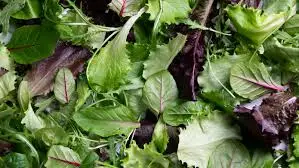
1. Moisture Balance Storage with Dry Paper Towels for Leafy Greens
When spinach, lettuce and other leafy greens are sealed in plastic bags, condensed water will gather inside. Excess water clinging to leaf surfaces breeds mold overnight.
Wrapping leafy greens with dry paper towels before bagging absorbs extra condensed water. This simple method extends their fridge shelf life from 3 days to 9 days and reduces leaf rot rate by 72 percent.
2. Stem Removal Storage for Root Vegetables
After purchase, the green tops of carrots, radishes and celery still draw nutrients and moisture from root parts, making roots hollow and bitter over time.
Cutting off all green tops before refrigeration stops internal water loss. Trimmed carrots stay crisp for 24 days, three times longer than untrimmed ones.
3. Separate Storage to Avoid Ethylene Cross-Influence
Vegetables fall into two categories: ethylene absorbers and ethylene emitters. Broccoli and cabbages are sensitive to ethylene, while tomatoes and cucumbers release large amounts of it.
Storing them in separate fridge drawers prevents cross ripening. Broccoli turns yellow in just 4 days when mixed with ethylene emitters, but stays fresh for 13 days with separate placement.
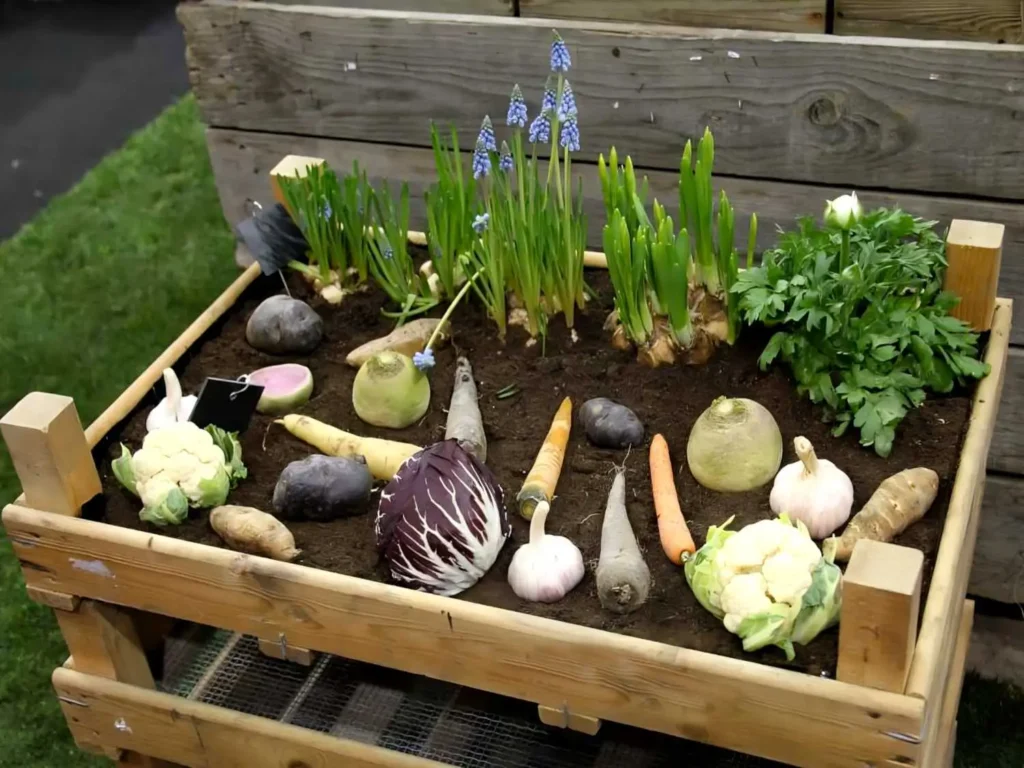
4. Ventilated Non-Refrigerated Storage for Bulb Vegetables
Onions, garlic and potatoes rely on air circulation instead of low temperature to stay fresh. Sealed bags trap heat and waste gas, triggering sprouting and mold growth quickly.
Stored in mesh bags in cool dark cabinets, they can remain fresh for over two months. Refrigeration damages their cell structure and raises decay speed by 41 percent.
5. Secondary Fresh-Keeping for Cut Vegetables
Directly sealing cut pumpkins and cabbages leads to rapid oxidation and bacterial growth on exposed cross-sections in cold air.
Covering cut surfaces with food-grade wax paper blocks oxygen without tight sealing. It prevents browning and extends the shelf life of leftover vegetables by 6 extra days.
Common Misconceptions About Vegetable Storage
All vegetables need refrigeration. Low temperature breaks the dormant state of bulb vegetables like garlic and ginger and makes them spoil faster.
Tighter sealing means better freshness. Complete airtightness blocks gas exchange, and accumulated carbon dioxide destroys vegetable cell tissues.
Wash vegetables before refrigeration. Water washing destroys the protective wax on leaf surfaces, and residual moisture doubles mold infection risks.
Practical Zero-Waste Storage Tips
Classify vegetables before storage. Place ethylene emitters and absorbers on different fridge layers to avoid cross ripening.
Avoid overstocking vegetables. Overcrowded refrigerators block cold airflow, causing local temperature rises of 2-3℃ and shortening overall freshness time.
Wash vegetables only right before eating. Preserving natural surface wax helps resist bacterial invasion and water loss.
Revive slightly wilted vegetables. Mold-free limp vegetables can regain crispness after 15 minutes of cold water soaking instead of being discarded.
Conclusion
The five fresh-keeping methods cover leafy greens, root vegetables, ethylene-sensitive vegetables, bulb vegetables and cut leftovers, covering all daily common varieties.
Three typical wrong storage habits include blind refrigeration for all vegetables, over-sealed packaging and pre-storage washing.
Targeted storage based on vegetable biological features requires no chemical preservatives. It effectively prolongs vegetable shelf life and cuts household food waste from the source.