Why Do Apples Turn Brown After Cutting?

Most people notice that freshly cut apple flesh turns pale brown within five minutes and darkens gradually when exposed to air. Many people believe apples oxidize simply from direct contact with oxygen, and think cold air slows down browning. This common misunderstanding leads to useless storage habits such as placing cut apples in the fridge uncovered, which barely delays discoloration.
Apple browning after cutting is called enzymatic browning, a complex biochemical reaction instead of simple oxygen oxidation. Two isolated substances inside intact apple cells mix only after cell rupture, reacting with airborne oxygen to form brown pigment. Understanding this enzymatic mechanism helps preserve apple’s crisp texture and pale flesh without artificial preservatives.
This article explains the complete biochemical principle of apple flesh browning, lists five daily factors that speed up discoloration, debunks widespread misleading preservation methods, and shares zero-cost household tricks to prevent cut apples from turning brown.
The biochemistry apple browning is based on
The main biochemical principle for apple browning is the two major reactive components stored in intact apple cells in different cell organelles(polyphenols in cell vacuoles and polyphenol oxidase(PPO) in cytoplasmic fluid). The two substances are physically separated inside uncut apples, so there is no chemical reaction between them naturally.
However, knife cutting removes apple cell membranes and cell walls and thereby the internal physical barriers of the two substances. Polyphenols are totally mixed with PPO at room temperature, and the enzyme which is now activated catalyzes the reaction of polyphenol with oxygen from air.
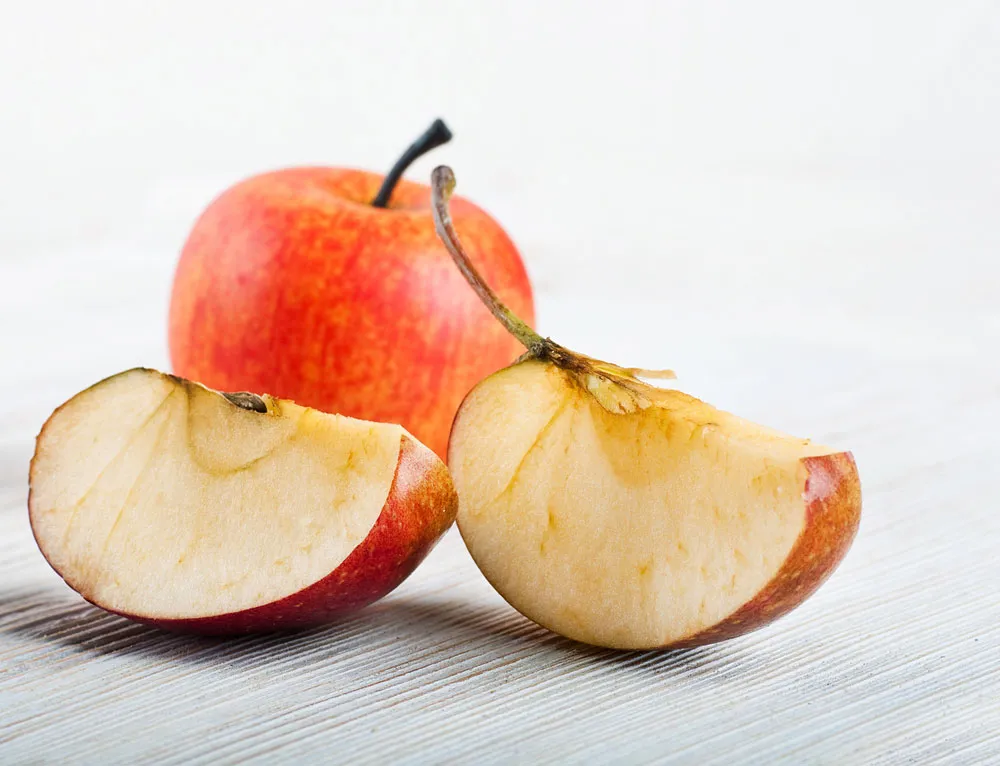
The polymerization of the oxidized polyphenols accounts for the formation of a stable melanin pigment, which is the brown color of the apple surface after cutting. This change is limited to only the exposure of the damaged flesh which will not affect the apple consumption, but on the contrary, it will significantly degrade the texture, crispness and sweet flavor.
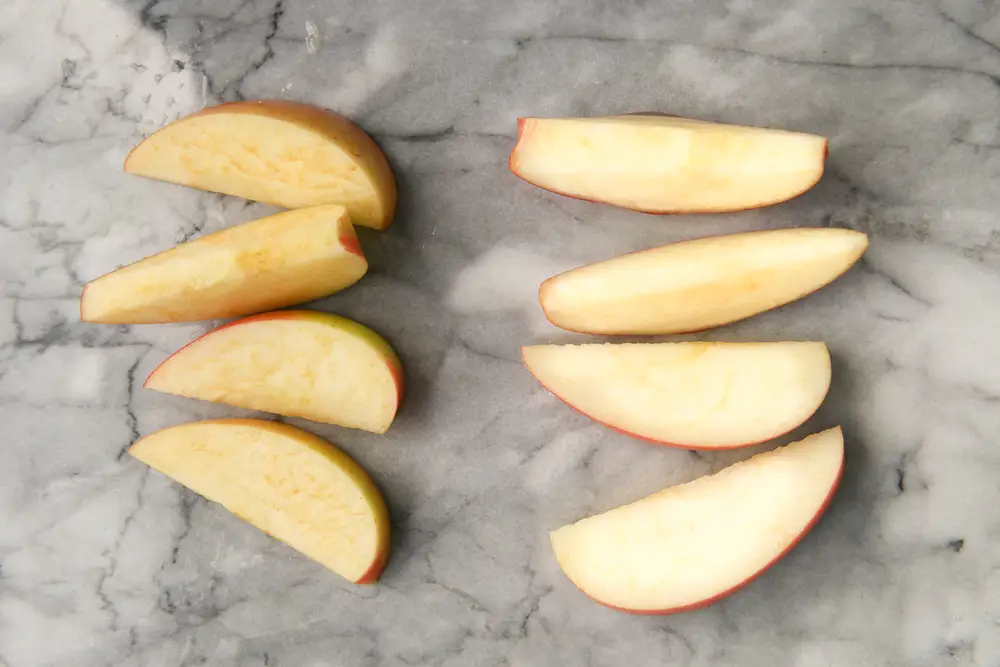
Five Key Factors That Speed Up Apple Browning
1. Rough Cutting With Blunt Knives
Blunt kitchen knives crush apple cell structures instead of slicing neatly. Neat sharp cuts only damage surface cell layers, while squeezing destroys dozens of deep cell layers simultaneously.
Crushed cells release far more polyphenols and PPO into exposed flesh. Apples cut by blunt knives turn brown twice as fast as neatly sliced apples, and develop dull grey-brown pigment within 3 minutes.
2. Room-Temperature Dry Air Exposure
Dry indoor air accelerates surface moisture evaporation on cut apples. Dehydrated flesh concentrates polyphenol concentrations locally, boosting enzymatic reaction efficiency significantly.
Indoor cross ventilation continuously supplies fresh oxygen to apple surfaces. Steady oxygen flow maintains fast oxidation, making cut apples lose crispness alongside browning, turning soft and mealy quickly.
3. Bruised and Damaged Apple Flesh
Pre-existing bruises from transportation, dropping or squeezing damage internal apple cells without visible surface cuts. Hidden broken cells already trigger slow internal enzymatic reactions before slicing.
Slicing bruised apples expands damaged areas, overlapping internal and external oxidation reactions. Bruised apple slices turn brown 40% faster than flawless apple slices and produce bitter off-flavors.
4.High Ripeness Apple Varieties
Studies have shown that the natural polyphenol oxidase (PPO) level is significantly higher in overripe soft apples as compared to freshly harvested firm ones. The process of ripening loosens cell membranes which makes chemicals able to mix easier after cutting.
In addition to this, sweeter varieties of apples tend to brown much faster. This is because the higher the fructose levels are, the more the surface pH goes up, and it so happens that the pH range for optimal PPO activity is in this region. On the other hand, sour and crisp apples can be stored for a longer time without showing browning compared to soft sweet ones.
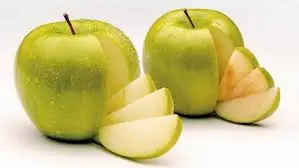
5. Long Skin Removal Before Slicing
The flavonoids, which are natural antioxidants, found in the skin of an apple act as a barrier against oxygen. When you peel an apple well in advance of cutting it, this protective layer is lost, thus the oxygen can gain entry into the outer flesh continuously.
After peeling a whole apple, the browned layer that is formed under the skin is not visible; however, such browning is capable of starting within 10 minutes. When you later slice that apple, the oxidized pre-exposed inner flesh is what you are showing to the air, which results in immediate and very noticeable discoloration post-cutting.
Misleading Apple Preservation Methods to Avoid
Uncovered refrigeration cannot stop browning. Standard refrigerator temperatures (3℃-5℃) only slow PPO activity slightly, and cold dry fridge air accelerates flesh dehydration to worsen discoloration.
Soaking in pure cold water has temporary effects. Pure water dilutes surface enzymes but cannot deactivate PPO. Once apples are taken out and exposed to air, browning accelerates due to residual internal enzymes.
Wiping cut surfaces with paper towels speeds up oxidation. Towel friction scratches delicate cut flesh, creating more microscopic damaged cells and expanding oxidation areas.
Science-Backed Tricks to Prevent Apple Browning
First, use ultra-sharp knives for smooth slicing. Minimizing cell crushing limits enzyme release and slows enzymatic browning at the source.Second, soak slices in diluted lemon water for 30 seconds. Citric acid lowers flesh pH to deactivate PPO and blocks oxygen-polyphenol binding.Third, cover cut surfaces tightly with plastic wrap. Zero-gap wrapping cuts off oxygen supply and stops external oxidation completely.Finally, peel apples only right before slicing. Retain apple skin until cutting to keep natural antioxidant protection for inner flesh.
Conclusion
The discoloration of apple flesh after cutting is caused by enzymatic oxidation through the reaction of mixed polyphenols and PPO. The exposure to oxygen alone is not responsible for the browning. A rough cutting, dry ventilation, internal bruises, overripe and early peeling are five main factors that cause discoloration. Traditional methods such as uncovered refrigeration and soaking in pure water are ineffective for the long-term preservation of fruits. Acid soaking and airtight wrapping are the two most trustworthy additive-free domestic solutions. By changing the cutting instruments, peeling time and oxygen isolation, one can preserve sliced apples in a pale, crisp and tasty state for 4 hours at room temperature.