Common Food Storage Mistakes

Most of us simply rely on our instincts to handle food storage without any scientific input. We think that simply putting all opened snacks, leftover meals, and fresh produce directly in the fridge will solve everything as low temperature can take care of storage issues. These unmindful everyday errors lead to more than 30% of household food getting spoiled every year.
Storing food properly depends on a combination of temperature, humidity, air circulation, and light conditions, rather than just refrigeration. Many of the commonly heard phrases about food storage actually turn out to be ways that disrupt food cell balance and interrupt the action of microbes that cause spoilage. Food that is kept beyond its expiry date and even food that is in its shelf life if not stored properly can have hidden bacteria and develop unwanted tastes.
Here we look at the main environmental factor in food preservation, identify five common and damaging food storage errors, and expose three persistent myths. We also provide zero-cost tips for changing everyday storage practices.
The Fundamental Environmental Principle of Food Preservation
Every fresh food item is in a state of continuous exchange of water with the surrounding air. The cells in food keep taking in and releasing water vapor in order to match the humidity level of the environment, which in turn influences the firmness of the tissue as well as the resistance to mold development. Besides, temperature from the surroundings controls the enzyme activities of microbes, whereas air movement ensures the removal of extra ethylene and moisture condensation. On the other hand, closed and stagnant air not only accelerates food bacterial growth but also the internal fruit ripening process.
Wrong storage is breaking this triple balance. For example, too much moisture is a direct cause to mold proliferation, temperature changes lead to microbial reactivation, and non-ventilation increases nutrient loss and flavor deterioration at the same time.
Five Widespread Harmful Food Storage Mistakes
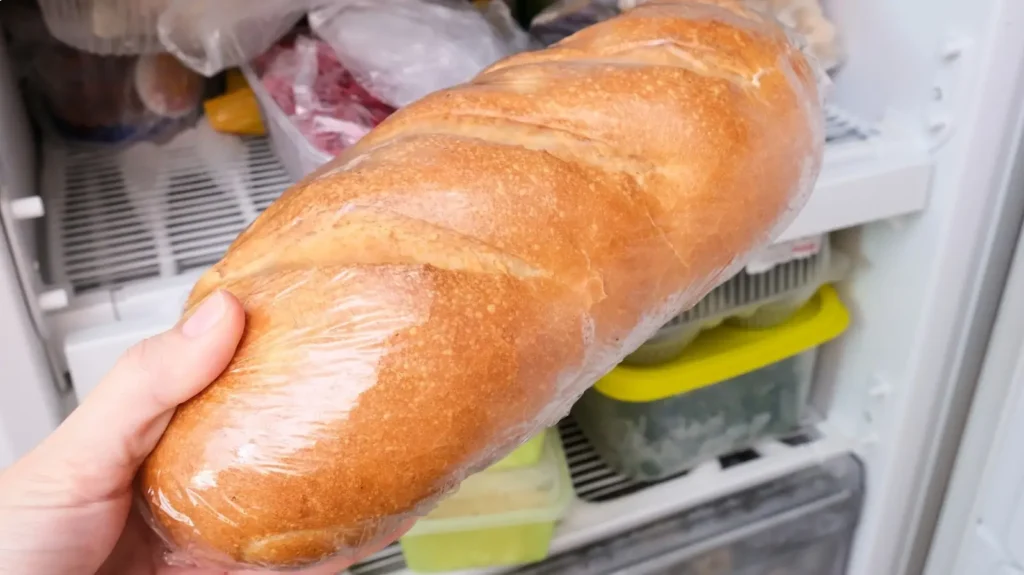
1. Storing Bread Inside the Refrigerator
Most families refrigerate leftover bread to avoid mold. Bread starch contains loose water-bonded molecules that stay stable at room temperature from 20°C to 24°C.
4°C refrigeration triggers rapid starch retrogradation. Bread loses internal moisture within 24 hours, turning hard and crumbly. Its staleness speed accelerates three times faster than room-temperature sealed storage.
2. Keeping Tomatoes in Cold Conditions
Tomatoes belong to temperate non-climacteric produce adapted to 12°C-18°C. Their flavor-forming enzymes only operate normally above 10°C.
Long-term refrigeration below 8°C permanently deactivates flavor enzymes. Tomatoes lose sweet and sour taste, develop mealy pulp, and cannot recover original flavor even after rewarming at room temperature.
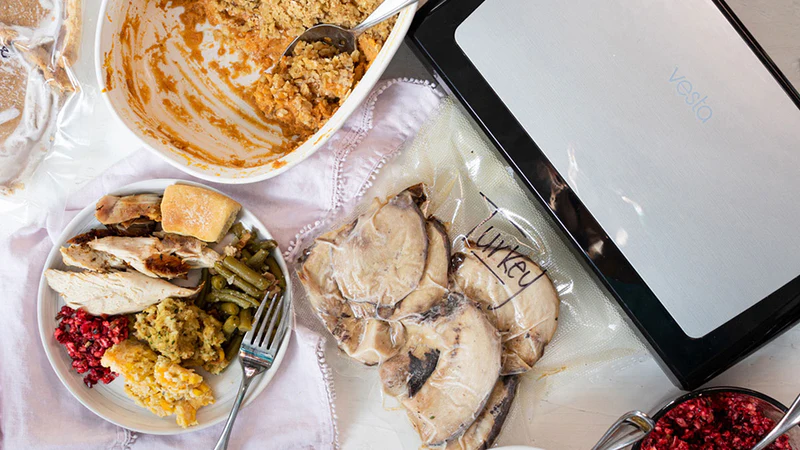
3. Sealing Uncooled Leftovers Directly
Many people seal hot leftovers immediately to block bacteria. Hot food releases dense water vapor after tight sealing with no escape channel.
Condensed vapor accumulates on container inner walls and drips back onto food. This humid microenvironment breeds mold and Bacillus cereus, causing leftover souring in less than 12 hours.
4.Washing Fruits Before Refrigeration
Most thin-peel fruits have naturally a waxy cuticle on their surface to which bacteria and moisture cannot easily penetrate. If you only wash fruits with tap water, this protective wax layer will be completely removed. Now the fruit that has pores exposed will absorb moisture from the fridge as well as bacteria in the air. For example, pre-washed grapes and berries go bad 45% faster than unwashed ones, and fuzzy mold will develop on them in about three days.
5. Storing Olive Oil Under Kitchen Light
Olive oil consists of unsaturated fatty acids that are highly sensitive to light rays such as ultraviolet ones. On the other hand, transparent oil bottles allow no shielding of light in well-lit kitchen environments. The constant exposure of light in fact accelerates the process of lipid oxidation. In case of prolonged consumption, one can get the feeling of intestinal discomfort as a result of the rancid toxic peroxides that are produced from oxidized olive oil.

Some Confusing Storage Rumors to Leave Behind
The refrigerator is the best way to extend the freshness of all food items. Actually, cool temperatures can ruin starch and fruit enzymes, thus the shelf life of ingredients that are usually kept at room temperature.
Airtight packaging always keeps food safe. However, if you seal them too much, it can trap the metabolic gases and condensed water which will increase the growth of anaerobic bacteria within the package.
Food items must be stored in complete darkness. But in reality, root vegetables like carrots require a small amount of diffused light to keep their internal nutrients from breaking down. Therefore, it’s best to keep them out of direct sunlight rather than in complete darkness.
Science-Backed Storage Correction Tricks
First of all keep bread tightly wrapped at room temperate and put frozen portions to one side. Freezing would arrest starch retrogradation while keeping it in the fridge cannot.Secondly, keep unripe tomatoes in cool dark cabinets. Do not put them in fridge till completely ripened so that their natural flavor enzymes remain intact.Thirdly, give your leftovers time to cool down (90 minutes) before storing them in the fridge in a sealed container. This will stop water from condensing inside sealed containers.Finally cooking oil should be kept in opaque sealed cans. These should be kept in dark corners of cabinet away from stove heat and kitchen lighting.
Conclusion
Common storage mistakes stem from over-reliance on refrigeration and blind sealing. Refrigerated bread, cold tomatoes, hot sealed leftovers, pre-washed fruits and light-exposed oil are five typical wrong operations.
Universal refrigeration, full airtight sealing and total light avoidance are misleading rumors ignoring ingredient trait differences.
Matching storage temperature, ventilation and light to individual food traits can cut household food waste by nearly half with no extra tools.