The Science Behind Fermented Foods

Most people believe that the only reason fermented foods end up sour is because they have gone bad after being stored for a long time. They mistake the controlled process of food fermentation for the uncontrolled spoilage that happens naturally and believe that all sour and fizzy foods have turned bad. This common misconception causes a lot of people to steer clear of kimchi, yogurt, and sourdough, thereby missing out on the health benefits of these foods.
Food fermentation is a purposeful microbial metabolic activity as opposed to the decay that happens just by chance. Using beneficial bacteria and yeast, humans break down hard food macromolecules in low-oxygen conditions. The acidic byproducts made during fermentation inhibit the growth of harmful bacteria, so fermented foods can remain safe to eat for several months without the use of chemical preservatives.
The present work discusses the fundamental microbial biology of food fermentation, identifies five everyday reasons that lead to spoilage of fermented foods, refutes the major myths about fermentation, and provides simple, no-cost, home-based guidelines for safe fermentation.
The Core Microbial Principle of Food Fermentation
All uncooked mainstay foods include mixed groups of microbes that are in a dormant state. Among these microbes are good lactic acid bacteria, yeast, as well as harmful putrefactive bacteria. The moisture in raw food as well as the neutral pH allow harmful microbes to grow at a faster rate and cause quick spoilage.
Limiting oxygen and keeping the environment at room temperature will cause beneficial microbes to be active preferentially. Lactic acid bacteria will use natural food sugars and generate lactic acid. At the same time, yeast will convert sugars to carbon dioxide and small amounts of ethanol. These two acids gradually decrease the internal pH of foods.
When pH falls below 4.5, putrefactive bacteria and mold are completely inhibited. Besides, microbes break down indigestible proteins and polysaccharides to amino acids and simple sugars, resulting in the typical sour, umami tastes and by the same token enhancing food digestibility.

Five Key Factors That Ruin Safe Fermentation
1. Excessive Oxygen Exposure During Fermentation
Beneficial fermentation microbes are mostly anaerobic, meaning they cannot survive with abundant oxygen. Open fermentation containers let outdoor aerobic mold and bacteria colonize food surfaces quickly.
Persistent oxygen intake stops lactic acid secretion within 48 hours. The fermentation solution turns slimy and develops moldy green spots, turning controlled fermentation into irreversible food spoilage.
2. Unstable Fermentation Ambient Temperature
Lactic acid bacteria have a strict active temperature range of 18°C to 26°C. Temperatures below 15°C freeze microbial metabolism, suspending fermentation without acid accumulation.
Temperatures above 30°C over-speed microbial reproduction. Excessively fast metabolism produces toxic biogenic amines, causing bitter taste and mild food poisoning risks in fermented vegetables.
3. Residual Detergent on Containers
Trace leftover dish soap or disinfectant on fermentation jars has strong bactericidal effects. These chemical residues do not target single microbes and kill beneficial bacteria first.
With beneficial bacteria eliminated, drug-resistant harmful microbes occupy ecological niches. The fermented food will turn rotten and putrid instead of sour within three days.
4.The salt dosage is not enough
Usually a moderate salt dose is capable to killing harmful micos but at the same time it will allow salt resistant lactic acid bacteria to survive. Normally for making vegetables ferment 2% to 3% salt by weight is added.
At salt content below 1.5% putrefactive bacteria are not inhibited. These harmful micos break down food protein resulting in hydrogen sulfide which has an odor resembling that of rotten eggs and toxic metabolites.
5. Impurities in mixed raw materials
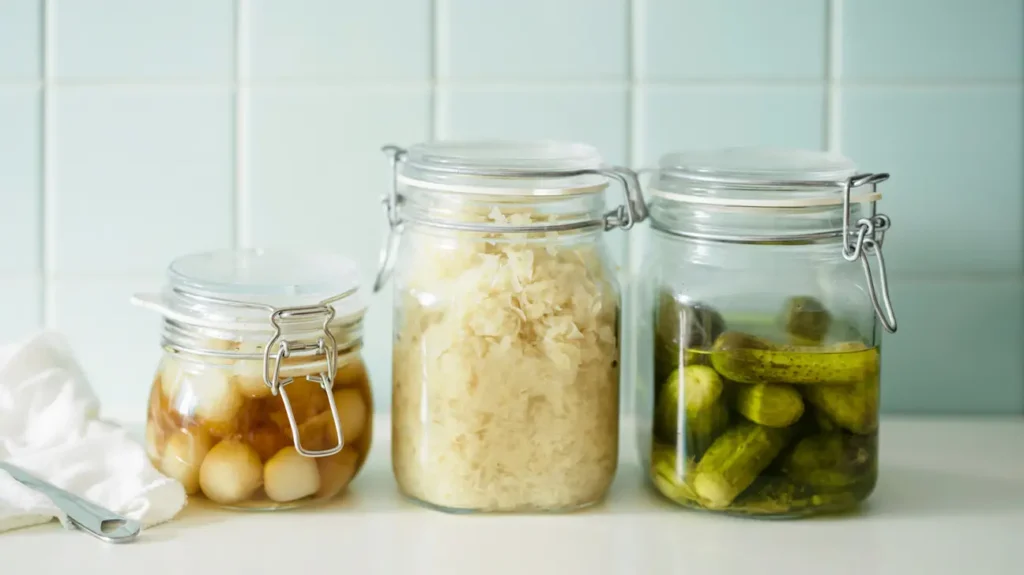
Dust, damaged rotten bits and residual pesticide on raw crops harbor large numbers of wild harmful micos. These impurities result in the disruption of the natural balance of initial microbial colonies.
Actually there is no complete prevention even with sealed containers because impurity carrying micos will multiply rapidly. They will disrupt acid production leading to local odor spoilage even before uniform sour fermentation is completed.
Misleading Methods of Fermentation to Avoid
Use of additional white vinegar as additives to fermentation-based products means inducing changes in microbial activity and could kill beneficial native bacteria and also go against natural fermentation flavors.
Exposing home fermented products to sunlight can quicken their ripening. However, it is the ultraviolet light that kills the beneficial microbial cells and also can initiate photo-oxidation that leads to nutrient depletion and change to a bitter taste.
Keeping a ferment in the fridge is not a way to stop it from going bad. What the cold does is only temporarily stop fermentation, cannot kill the harmful microbes already present, and results in the spoilage happening later once the product has been taken out of the fridge.
Science-Backed Tricks for Safe Home Fermentation
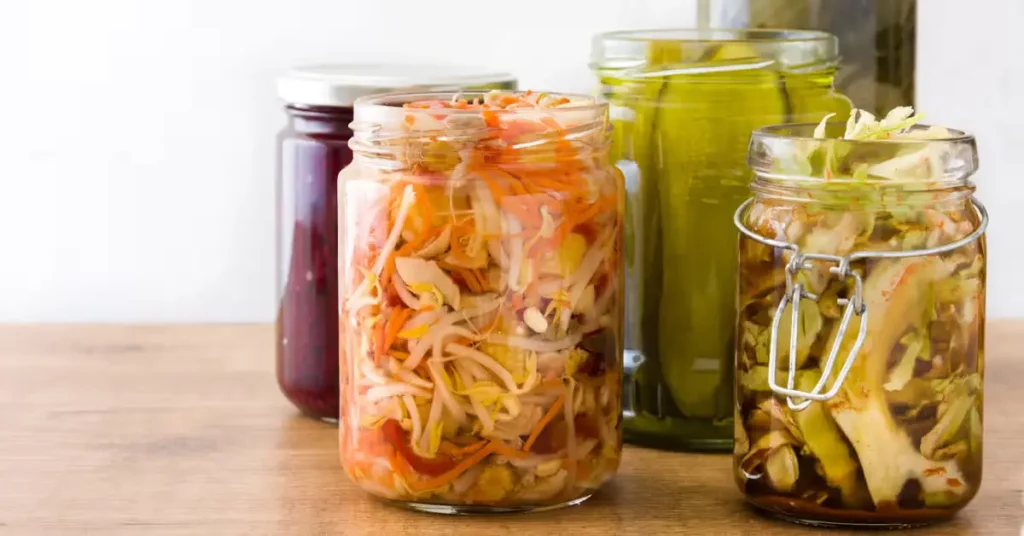
First, it’s very important that you thoroughly wash and dry your fermentation jars / glass containers. Eliminating water and detergent residues at a bare minimum helps maintain beneficial bacterial growth in a very stable manner.
Second, fermenting jars should be tightly sealed always to reduce the amount of oxygen coming in. If air gaps are kept very small, there will be hardly any chance for food mold to develop at the surfaces.
Third, fermentation ingredients should be kept at a stable temperature of 22°C. Running a constant mild temperature supports the optimal activity of lactic acid bacteria that come out with the same flavor all the time.
Lastly, always cut out all rotten pieces of raw materials before proceeding. By getting rid of the sources of impurities, one prevents the early imbalance of microbes as well as partial spoilage.
Conclusion
Fermented food formation relies on anaerobic beneficial microbial acid production, not random food decay. Oxygen leakage, temperature fluctuation, container residues, low salt and raw impurities are five major spoilage triggers.
Vinegar addition, sunlight exposure and early refrigeration are counterproductive misleading operations. Sealing, constant temperature and sterile pretreatment are reliable household fermentation solutions.
By controlling oxygen, temperature and raw material cleanliness, home producers can complete safe, natural fermentation with zero toxic byproducts.