How to Reduce Food Waste at Home

Every week, a vast number of edible foods are discarded by households, most of the time without the households even being aware of it. Over-purchasing of groceries is one of the main reasons for food wastage as people tend to ignore the leftover arrangements or directly discard the produce which is only slightly imperfect. Household food surveys indicate that family kitchens are responsible for nearly 35% of food waste instead of supermarkets.
The vast majority of domestic food waste is not the result of food spoilage, but rather unreasonable eating and storage habits. In addition to improper temperature control, random ingredient matching and unclear shelf-life judgment all result in premature disposal of safe food. Apart from the waste, these activities also contribute to increased household carbon emissions and higher living costs.
The main causes of household food waste are discussed in this article, and typical behaviors that lead to unnecessary food loss on a daily basis are identified. In addition to debunking the three most common food waste-related misconceptions, it also provides zero-cost practical methods for reducing kitchen food waste.
Main Reasons for Household Food Waste
The leading cause is unplanned grocery shopping. People often get carried away and buy lots of discounted food without even checking what they already have at home, which leads to a supply of ingredients that is more than the everyday demand for consumption.
Uneven storage conditions speed up unnoticed food deterioration. Most ingredients need quite different humidity and temperature levels.
Mixed random storage results in cell imbalance and a shortening of the shelf life by more than 40%. Too stringent aesthetic standards cause higher production of waste. Most of the time, people do not want to buy products with surface imperfections or signs of wilting, but these products are not contaminated inside and are safe to consume.
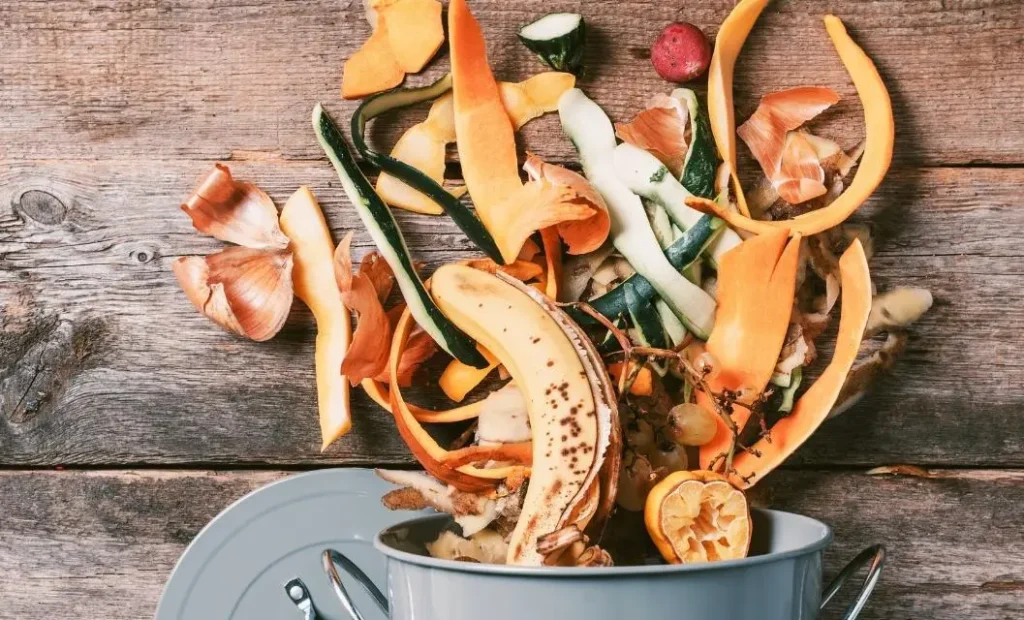
Five Typical Behaviors Causing Household Food Waste
1. Impulsive Bulk Purchase of Discounted Produce
Supermarket bulk discounts often drive blind overbuying. Vegetables and fruits sold in bundles have fixed packaging quantities larger than average weekly family consumption.
Unconsumed bundled ingredients are left unattended in refrigerators. Within one week, leafy vegetables wilt and root vegetables sprout, forcing families to discard more than half of discounted groceries.
2. Discarding All Bruised or Scratched Ingredients
Minor surface scratches only damage fruit and vegetable epidermal tissue. The internal pulp keeps intact with stable nutrient content and no microbial invasion.
People routinely throw away slightly damaged produce directly. Data shows that 22% of fruit waste comes from appearance discrimination rather than actual spoilage, forming totally avoidable waste.
3. Improper Leftover Handling After Meals
Many families store mixed leftover dishes in one sealed container. Different leftovers release different metabolic gases and cross-contaminate each other rapidly.
Mixed leftovers go bad within 18 hours even under refrigeration. Separately stored leftovers can stay safe for up to 48 hours, proving mixed storage is the main cause of leftover waste.
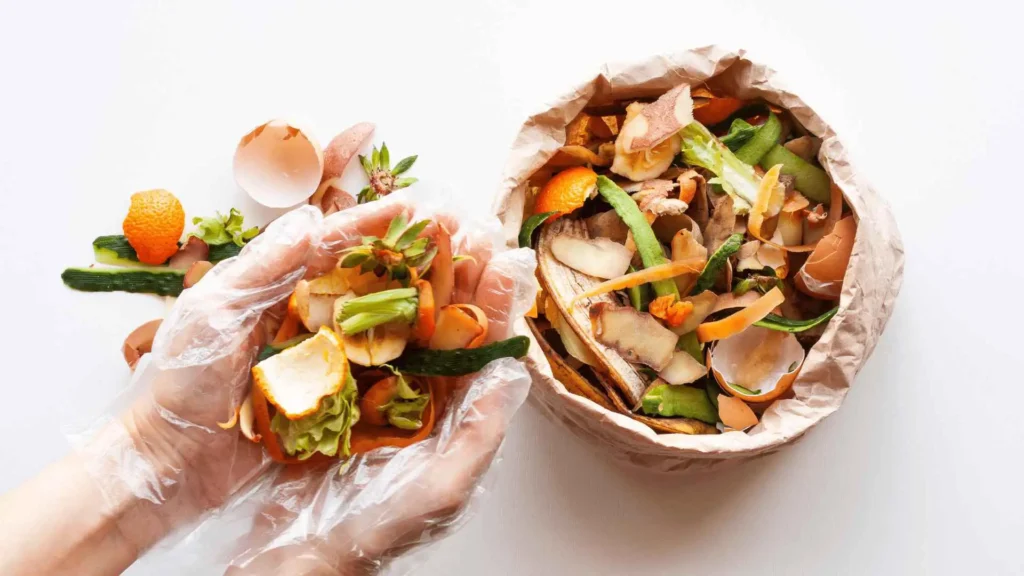
4.Cutting Away Large Amount of the Edible Parts of Vegetables
Habitually, most people discard broccoli stems, celery leaves and outer cabbage layers when they are cutting the vegetables. However, these parts are high in dietary fiber and vitamins and do not present any safety risk. Over-trimming of vegetables causes vegetable waste increase by 27%. The thrown-away vegetable leaves and stems are responsible for almost one-third of the total vegetable weight before cooking.
5. Overlooking Food Shelf-Life Categories
Seldomly, one puts the newly purchased food in the front of the old stock. Old products are hidden and will be forgotten, ultimately, passing the best edible date. Random placement without looking results in invisible stock backlog. More than 30% of expired packaged food waste is due to covered placement rather than long storage time.
Misleading Food Waste Myths to Avoid
Expiration dates don’t turn food instantly inedible. Best-before dates tell when a product is at its best flavour, not when it becomes unsafe. Most dried goods remain safe up to 7 days beyond the date printed on the package.
It’s a mistake to get rid of all the vegetables that are a bit wilted. When vegetables are drying out their wilting is only resulting in loss of flavor and no bacteria growth. Most of the edible value can be regained by rehydrating the vegetables.
Freezing won’t magically make your leftover waste disappear. The food being frozen and thawed multiple times changes the texture of the food and the bacteria buildup which is a hidden source of safety risk.
Science-backed Tips to Reduce Home Food Waste
In the beginning, create a weekly shopping list. Buy the items you need based on the meal plans and resist the temptation of buying bulk items just because they are at a discount.
Secondly, implement the first-in-first-out method when you organize your food items. Place the newly bought food at the back of the shelves so that you will eat the ones that have been on the shelves for longer.
Third, make the most of edible vegetable trimmings. Prepare celery leaves in consommés and cook broccoli stalks low and slow to minimize the amount of raw material waste.
Lastly, sort leftover meals into different categories before storing them in the fridge. Make use of small individual containers to keep away cross-contamination and additional lengthening of the leftover shelf life.
Conclusion
Household food waste mainly stems from blind overbuying, appearance prejudice, mixed leftover storage, excessive trimming and disordered shelf placement. Few wastes result from unavoidable natural spoilage.
Confusing flavor expiration with safety expiration, discarding wilted vegetables and over-reliance on freezing are three misleading ideas worsening kitchen waste.
Rational shopping, standardized storage and full use of edible ingredient parts can cut household food waste by nearly 40% with zero extra cost.